
Winter Home Maintenance Tips for Pittsburgh Area Homeowners
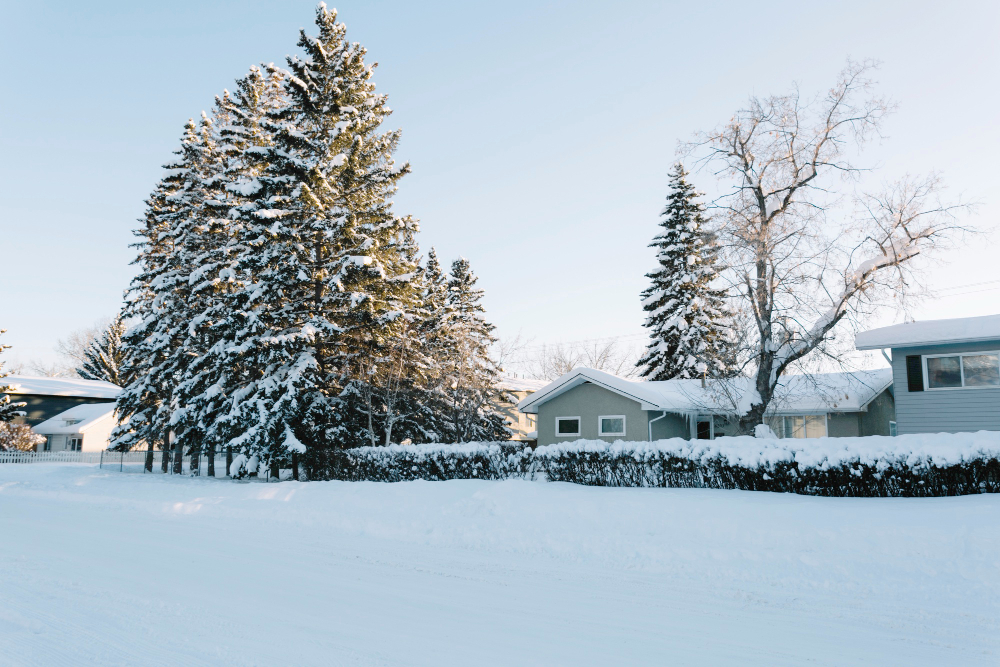
Winter in the Pittsburgh Area has a way of settling in fast. One day you are raking leaves and the next day you are scraping frost from your windshield before the sun is even up. Cold weather, long stretches of moisture, and sudden temperature swings can put a lot of stress on a house. And if something small goes wrong at the wrong time, it usually turns into a bigger and more expensive problem than you expected.
As Pittsburgh area home inspectors, the team at Clarity Home Inspection sees the same winter issues pop up again and again. Many of them are preventable with basic seasonal maintenance. None of this work is glamorous, but it can help you protect your home, keep heating bills manageable, and avoid surprise repairs when it is ten degrees outside and everything feels frozen in place.
This guide walks through the most common winter maintenance tasks that actually make a difference in our region. There is nothing fancy here, just clear advice based on what local inspectors see inside real Pittsburgh homes every day. Think of it as a friendly reminder list from someone who has spent a lot of time in basements, attics, crawl spaces, and mechanical rooms across the region.
And if you ever feel unsure about the condition of your home or want a professional eye on a potential issue, reaching out to trusted Pittsburgh area home inspectors can give you a clearer picture of what you are dealing with.
Check the Exterior Before the Cold Fully Sets In
Any winter maintenance routine should start outside. Once the snow starts sticking, small exterior issues are harder to spot and even harder to fix. The nicer fall days are the perfect time to walk around the property and look for anything that seems off.
Begin with the roof. You do not need to climb onto it. Most people can see enough from the ground with a pair of binoculars or by slowly scanning the surface. Look for missing or curled shingles, dark patches that look like moisture, or anything that seems uneven. The freeze and thaw cycle in the Pittsburgh Area can lift loose shingles even more, which sometimes turns a tiny problem into a leak. A small repair now can help you avoid water dripping into your attic in the middle of January.
Next, look at your gutters. When gutters clog, water has nowhere to go. It spills over the sides, freezes, and pushes back into the edge of the roof. This can cause ice dams. An ice dam looks harmless from the ground, but it can force water under shingles and into the home. Clearing the gutters before winter is one of the simplest ways to protect a roof. Also check that downspouts direct water several feet away from the foundation. If water pools against the house all winter, the soil can shift or flood the basement.
While you are outside, look around for cracks in siding, gaps near windows, soft spots in trim boards, or loose pieces of exterior material. Wood rot is more common than people assume. The constant moisture of winter can spread it quickly. A few small repairs now can prevent a bigger structural problem later.
Seal Drafts and Improve Energy Efficiency
Drafts are more than annoying cold spots. They waste a surprising amount of money over the course of a winter. Even a small gap around a window frame can pull warm air out and let cold air in every hour of the day.
You can test for drafts by gently moving your hand around window edges, door frames, and electrical outlets on exterior walls. If you feel cool air, even slightly, you have a leak. Weatherstripping around doors and caulk around window trim can usually seal things up. These fixes cost very little, and the improvement shows up fast once temperatures drop.
Homes in the Pittsburgh Area also benefit from checking attic insulation before winter arrives. The attic is where most heat escapes. Old insulation settles over time and begins to lose its usefulness. If you can see the tops of the ceiling joists, you probably do not have enough insulation. Adding more can make a real difference in comfort and heating costs. It also protects the roof by keeping the attic temperature more stable, which helps prevent ice dams.
If you are unsure about the state of your insulation or ventilation, a professional inspection can help. Pittsburgh area home inspectors spend a lot of time in attics and can tell you whether your setup is helping your home or working against it.
Service the Heating System
No one wants to wake up on a freezing January morning to a cold house because the furnace stopped working. Most heating failures give warning signs long before they break. The problem is that people often ignore those signs. A simple tune up every fall helps keep your system running smoothly and can reveal issues before they turn into emergencies.
A typical heating service includes checking burners, cleaning components, confirming safe carbon monoxide levels, inspecting the blower motor, and making sure the system is venting correctly. Natural gas furnaces are common across the Pittsburgh Area, and they rely on clear airflow and balanced combustion. When something is slightly off, the system burns more fuel and works harder than it needs to.
You should also change your furnace filter several times throughout the winter. A dirty filter restricts airflow, which makes the system run longer and strains internal parts. Filters are cheap. Heating repairs are not.
If you use a fireplace or wood stove, have the chimney inspected and cleaned before lighting the first fire. Creosote buildup is a real fire risk. Even gas fireplaces should be checked to make sure vents and seals are working as they should.
Protect Your Plumbing From Freezing
Frozen pipes remain one of the most stressful winter problems for homeowners. Once a pipe freezes, there is a good chance it will burst. That usually leads to water damage, cleanup expenses, and plumbing repair bills. And it often happens during the coldest nights of the year.
You can prevent most of these issues with a few easy habits. Start by insulating pipes in unheated spaces like basements, garages, crawl spaces, and exterior walls. Pipe insulation is affordable and takes very little time to install.
Outside, detach garden hoses from spigots and drain them completely. Even frostproof spigots can crack if a hose stays attached. If your home has interior shut off valves for outdoor lines, close those valves and let the water drain before winter.
Inside the home, keep cabinet doors open under kitchen and bathroom sinks during extreme cold nights. This lets warm air from the room reach the pipes. If temperatures are expected to drop very low, allowing a small drip from a faucet can keep water moving enough to prevent freezing.
If a pipe ever does freeze, shut off the water supply immediately and call for help. Trying to thaw a frozen pipe yourself can cause hidden damage. Pittsburgh area home inspectors often spot signs of past freeze issues during inspections, usually in areas most homeowners rarely visit.
Check for Moisture Problems Before They Get Worse
Winter creates unique moisture challenges. Cold air outside and warm air inside cause condensation. Snow melts and refreezes. Basements stay damp. All these conditions invite mold growth if you are not paying attention.
Basements and crawl spaces deserve extra care. Look for signs of water seepage along walls or in corners. Even a small trickle during winter can turn into mold by spring. A dehumidifier often helps, but standing water or regular seepage usually requires a more focused solution.
Bathrooms also need proper ventilation in winter. Steam from hot showers has nowhere to go if fans are weak or rarely used. Running the exhaust fan for fifteen to twenty minutes after every shower reduces moisture buildup and keeps walls and ceilings dry.
Windows can fog up during the coldest months. A little condensation is normal, but constant water dripping down the glass is not. This can signal high indoor humidity or poor insulation. Over time, it can cause wood rot or mold around the frame.
If you are unsure whether a moisture spot is harmless or the start of something bigger, getting an inspection can bring clarity. Experienced Pittsburgh area home inspectors can tell the difference between normal seasonal moisture and a developing problem.
Test Safety Devices Throughout the Home
Winter is when homes are closed up the most, fireplaces run more often, and heating systems burn fuel nonstop. This makes working smoke detectors and carbon monoxide detectors essential.
Test every smoke detector and carbon monoxide detector before winter begins. Replace batteries even if they are not dead. If any device is older than ten years, it is time for a new one. Detectors do not last forever, and older units become less reliable.
If you have fuel burning appliances like gas furnaces, water heaters, or stoves, carbon monoxide monitoring is especially important. Carbon monoxide is silent and invisible. A working detector is the only way to know if something is wrong.
Fire extinguishers also deserve a quick check. Make sure they are in accessible spots and the pressure gauge is in the safe zone. Most homeowners do not think about extinguishers until they truly need them.
Prepare for Winter Power Outages
The Pittsburgh Area occasionally sees winter storms strong enough to bring down tree branches or power lines. When outages happen during cold weather, it is easier to stay comfortable if you prepare ahead of time.
Keep a few basic supplies in an easy to reach place. These might include flashlights, fresh batteries, a battery powered radio, spare blankets, bottled water, and some shelf stable food. If you rely on electric heat, consider a safe alternative heat source or at least plan for how you will stay warm until power returns.
If you own a portable generator, test it before winter. Make sure you understand how to run it safely. Never use a generator indoors or too close to the house. Carbon monoxide from a running generator can move into a home quicker than people realize.
Tidy Up Landscaping to Protect the Home
Yardwork might not seem important in winter home care, but overgrown trees and shrubs can cause real trouble once heavy snow comes.
Trim branches that hang close to the roof or touch siding. Snow and ice can weigh down branches enough to snap them, which may damage the home. Likewise, vines or shrubs pressed tightly against the exterior can hold moisture and contribute to rot.
Clear leaves away from foundation walls. Leaves trap moisture and can add to basement dampness. Clean pathways and outdoor stairs so you have safer footing when they become icy.
Look After Exterior Walkways and Driveways
Winter in the Pittsburgh Area brings freeze thaw cycles that can crack pavement. Before the cold season settles in, inspect your walkways and driveway for small cracks. Water gets into cracks, freezes, expands, and slowly breaks the surface apart.
Sealing cracks before winter can slow this process. It will not make your driveway perfect, but it can help it last longer. Also make sure you have ice melt on hand early in the season. Look for types that are safe for concrete and pets. Using the wrong product on concrete can cause pitting or surface damage.
Protect Appliances and Mechanical Systems
Winter puts more stress on mechanical systems. Water heaters work harder. Appliances in cold basements take longer to warm up. Dryer vents often clog faster since they run more during the season.
Clear lint from the dryer vent pipe before winter. Lint buildup is one of the most common causes of house fires. Check the vent outside to make sure air is flowing freely and nothing is blocking the opening.
For gas water heaters, look at the vent pipe to confirm it is secure and free of rust or holes. Also listen for odd sounds or rumbling. Sediment buildup sometimes makes water heaters noisy. Flushing the tank, if recommended for your model, can prolong the life of the unit.
If your home uses sump pumps, test them before winter storms arrive. Pour a bucket of water into the pit and make sure the pump activates. A failed sump pump during a winter thaw can lead to basement flooding.
Review Your Home Insurance Policy Before Winter
This task often gets ignored. Winter storms, frozen pipes, and roof issues can lead to insurance claims. Understanding what your policy actually covers can help you avoid surprises.
Some policies exclude backup from drains or sump pumps. Others limit coverage for roof damage caused by ice. If something seems unclear, ask your agent to explain it. This is not exciting work, but it gives you a better sense of what risks you may need to handle on your own.
Schedule a Winter Home Inspection if You Want a Clearer Picture
Plenty of homeowners handle winter prep on their own. But there are times when you might want a more detailed look at your home. Maybe you have an older house. Maybe you have noticed a draft or a moisture spot and are not sure what it means. Maybe you want reassurance before the harshest part of winter arrives.
A seasonal inspection gives you a report on your roof, attic, heating system, insulation, electrical safety, plumbing, foundation, and more. And because local inspectors understand how Pittsburgh winters affect homes, they know what to look for and where to look.
Professional inspection findings can help you decide which maintenance tasks matter most and which ones can wait. For many people, that peace of mind alone is worth it.








Leave a Reply
Want to join the discussion?Feel free to contribute!