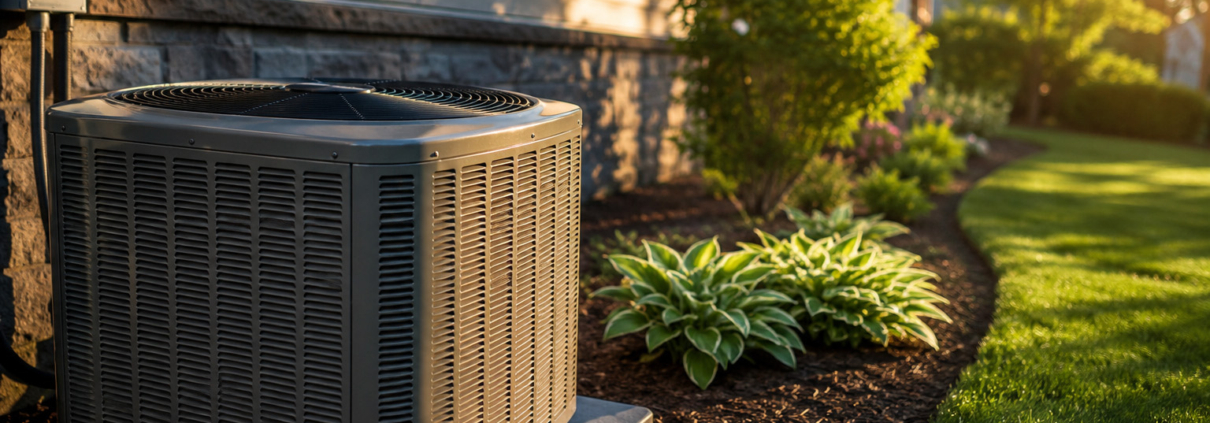
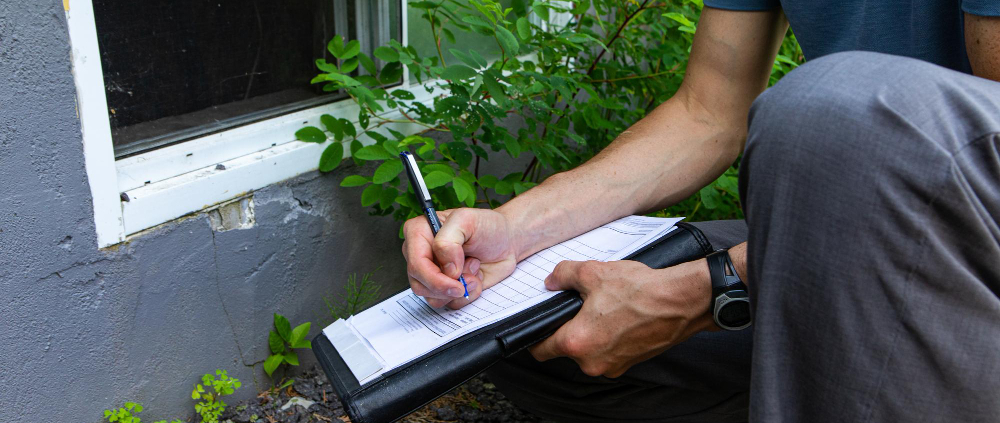
Air conditioner during inspection of a Pittsburgh home

When summer temperatures rise across the Pittsburgh area, homeowners usually expect their air conditioning system to simply work. They want cool air, manageable electric bills, and no surprise breakdowns during the hottest week of the year.

But every summer, HVAC companies across Western Pennsylvania get overwhelmed with emergency service calls. In many cases, the problems started weeks or even months earlier. Small warning signs often go unnoticed until the system finally stops working altogether.

At Clarity Home Inspections, HVAC related issues are some of the more common concerns found during inspections. Air conditioning systems affect more than comfort. Problems with cooling systems can also impact humidity levels, indoor air quality, electrical systems, attic ventilation, and even moisture conditions inside the home.

For Pittsburgh homeowners, summer cooling can be especially challenging because many homes in the area are older and were built long before modern air conditioning systems became common. Older insulation, aging ductwork, outdated electrical components, and ventilation issues all add extra stress to cooling equipment.

If you want to avoid major air conditioning problems during Summer 2026, there are several important things worth paying attention to before the hottest temperatures arrive.

Why Pittsburgh Homes Put Extra Stress on Air Conditioning Systems

Western Pennsylvania summers can be deceptively rough on HVAC equipment. While Pittsburgh may not see the extreme temperatures found in southern states, the humidity levels create their own problems.

Humidity forces air conditioners to work harder and run longer. Even when the temperature itself is manageable, excess moisture in the air increases the cooling demand inside the home.

Older Pittsburgh homes add another layer of difficulty. Many homes throughout Allegheny County and surrounding neighborhoods were built decades ago with construction methods very different from today’s standards.

During inspections, some of the most common cooling related concerns include:

  • Poor attic ventilation
  • Inadequate insulation
  • Aging HVAC systems
  • Leaky ductwork
  • Limited return air flow
  • Older electrical panels
  • Moisture buildup in basements
  • Uneven cooling between floors

Second floor rooms are especially common trouble spots during the summer months. Homeowners often notice bedrooms upstairs staying much warmer than the lower levels of the house.

This does not always mean the air conditioner itself is failing. Sometimes the home’s overall construction and airflow design contribute heavily to cooling problems.

Start With the Air Filter

One of the simplest and most overlooked maintenance tasks is replacing the HVAC air filter.

A clogged filter restricts airflow throughout the system. Once airflow drops, the equipment has to work much harder to cool the home properly. Over time, this added strain can contribute to:

  • Frozen evaporator coils
  • Reduced cooling efficiency
  • Increased energy bills
  • Shortened equipment lifespan
  • Weak airflow from vents

Homes with pets, older duct systems, nearby construction, or higher dust levels often need filter replacements more frequently than homeowners realize.

For many homes, filters should be checked every month during peak summer cooling season.

Some homeowners assume their filter lasts three months because that is what the packaging says. In reality, many filters become dirty much sooner depending on the conditions inside the home.

Keep the Outdoor Unit Clear

The outdoor condenser unit needs proper airflow to release heat effectively.

Unfortunately, many units become partially blocked during spring and early summer because of:

  • Overgrown landscaping
  • Grass clippings
  • Mulch buildup
  • Leaves
  • Outdoor furniture
  • Shrubs planted too closely

Restricted airflow forces the system to run hotter and less efficiently.

Homeowners should keep several feet of clearance around the condenser whenever possible. The area should remain clean and open throughout the cooling season.

It is also important not to damage the condenser fins during cleaning. Pressure washers can easily bend the fins and reduce airflow.

Pay Attention to Humidity Inside the Home

A properly functioning air conditioning system should help control indoor humidity levels.

If the house suddenly feels damp, sticky, or muggy, the system may not be removing moisture effectively.

Excess indoor humidity can contribute to:

  • Mold growth
  • Musty odors
  • Condensation on windows
  • Increased allergy symptoms
  • Moisture damage

This becomes especially important in older Pittsburgh homes with basement moisture concerns.

Basements throughout Western Pennsylvania often struggle with humidity during the summer months. When cooling systems are not functioning correctly, moisture problems can worsen quickly.

Homeowners sometimes assume they only need a dehumidifier, when the actual issue may involve poor HVAC performance or inadequate ventilation.

Learn the Early Warning Signs of HVAC Trouble

Air conditioning systems rarely fail without warning. Most equipment shows smaller symptoms before a complete breakdown happens.

Catching those signs early can often reduce repair costs and help avoid emergency service calls during extreme heat.

Weak Airflow From Vents

Weak airflow is one of the most common signs something is wrong.

Possible causes include:

  • Dirty air filters
  • Frozen evaporator coils
  • Duct restrictions
  • Blower motor issues
  • Air leaks in ductwork

If certain rooms consistently receive less airflow than others, it may also point to duct design issues common in older homes.

Warm Air Instead of Cool Air

If the thermostat is set correctly but the vents are blowing warm air, several issues may be involved:

  • Refrigerant problems
  • Dirty coils
  • Compressor failure
  • Electrical issues
  • Thermostat malfunctions

Warm airflow should never be ignored during summer.

Strange Sounds

Air conditioners should not produce loud or unusual noises.

Grinding, rattling, buzzing, squealing, or banging sounds may indicate:

  • Loose components
  • Failing motors
  • Damaged fan blades
  • Electrical problems
  • Worn bearings

Small mechanical problems often become expensive repairs if ignored too long.

Water Around the Indoor Unit

Many homeowners become alarmed when they notice water near the furnace or air handler.

Often, the issue involves a clogged condensate drain line. During humid weather, air conditioners remove significant moisture from the air. That moisture needs somewhere to drain properly.

Blocked drain lines can eventually lead to water damage around the HVAC equipment area.

Attic Ventilation Plays a Bigger Role Than Most People Think

One of the more overlooked causes of cooling struggles is poor attic ventilation.

During Pittsburgh summers, attic temperatures can climb well above 120 degrees. Without proper ventilation and insulation, that heat radiates downward into the living spaces below.

The result is an air conditioning system that runs constantly but still struggles to maintain comfortable temperatures.

Signs of attic ventilation problems may include:

  • Extremely hot upstairs rooms
  • High cooling bills
  • Moisture buildup in attic spaces
  • Mold growth
  • Premature roof aging

Proper attic ventilation works together with insulation to reduce cooling demand throughout the home.

Older Pittsburgh Homes Often Have Airflow Problems

The Pittsburgh area has a large number of older homes filled with character and history. But many of those homes were not originally designed for central air conditioning systems.

Over the years, homeowners may have added ductwork during renovations or HVAC upgrades. In some cases, those retrofits were not designed efficiently.

During inspections, common airflow related concerns include:

  • Undersized return ducts
  • Poor vent placement
  • Unsealed duct joints
  • Inadequate insulation around ducts
  • Improperly balanced systems

Second floor cooling complaints are especially common in older multi story homes.

Homeowners sometimes assume they need a completely new air conditioner when the actual issue involves airflow distribution problems.

Thermostat Problems Are More Common Than Many Realize

Sometimes the air conditioner itself is not the problem.

Thermostats can malfunction, lose calibration, or operate incorrectly over time.

Older thermostats may cause:

  • Short cycling
  • Incorrect temperature readings
  • Uneven cooling
  • Excessive system runtime

Even newer smart thermostats can create problems if they were installed improperly or programmed incorrectly.

If cooling performance suddenly changes without an obvious mechanical issue, the thermostat is worth checking.

Utility Bills Can Reveal Problems Early

A noticeable increase in summer electric bills often points to declining HVAC efficiency.

When cooling systems begin struggling, they usually run longer cycles to maintain indoor temperatures. That added runtime increases energy usage.

Homeowners should pay attention if utility costs suddenly rise despite similar weather conditions compared to previous summers.

Potential causes may include:

  • Dirty coils
  • Low refrigerant
  • Air leaks
  • Aging equipment
  • Poor insulation
  • Restricted airflow

Even if the home still feels cool enough, increased operating costs may indicate developing problems.

Maintenance Matters More Than Age Alone

Many homeowners focus heavily on the age of the air conditioner. While age certainly matters, maintenance history often matters just as much.

Some properly maintained systems continue operating reliably beyond fifteen years. Others develop serious problems much earlier because maintenance was neglected.

Routine HVAC maintenance commonly includes:

  • Coil cleaning
  • Refrigerant checks
  • Drain line inspection
  • Electrical testing
  • Capacitor testing
  • Thermostat calibration
  • Airflow evaluation

Scheduling maintenance before peak summer temperatures arrive can reduce the chances of emergency breakdowns later in the season.

Do Not Ignore Basement Moisture

In many Pittsburgh homes, basement moisture and HVAC performance are closely connected.

Cooling systems naturally remove humidity from indoor air. But when drainage issues already exist around the home, excess moisture can become more noticeable during summer.

Common moisture related concerns include:

  • Damp basement walls
  • Condensation around ductwork
  • Musty odors
  • Mold growth
  • Water intrusion near foundations

Older homes with stone foundations or historic basement construction may be especially vulnerable during humid weather.

Proper drainage around the exterior of the home also plays an important role in maintaining healthy indoor conditions.

Dirty Vents and Registers Restrict Airflow

Supply and return vents should remain open and unobstructed.

Many homeowners accidentally reduce airflow by placing furniture, rugs, curtains, or storage items over vents.

Dust buildup inside vents can also contribute to airflow restrictions over time.

Simple maintenance steps include:

  • Vacuuming vents regularly
  • Keeping furniture away from registers
  • Ensuring return vents stay clear
  • Checking for visible dust buildup

Closing vents in unused rooms is usually not recommended for modern HVAC systems because it can create pressure imbalances.

Air Leaks Make Cooling Harder

Air conditioning systems become less effective when cooled air constantly escapes the home.

Common air leak locations include:

  • Older windows
  • Exterior doors
  • Attic access points
  • Basement rim joists
  • Poorly sealed ductwork

Homes throughout the Pittsburgh area often develop air leakage problems as materials age and settle over time.

Improving air sealing can help reduce cooling demand and improve comfort levels throughout the house.

Homebuyers Should Watch HVAC Performance Carefully

Summer home showings can reveal a lot about a property’s cooling system.

Buyers should pay attention to:

  • Indoor comfort levels
  • Airflow consistency
  • Humidity inside the home
  • HVAC noise levels
  • Water stains near equipment
  • Musty odors
  • Excessively warm upstairs rooms

A home inspection can help identify hidden HVAC concerns that may not be obvious during a short walkthrough.

For homeowners searching for experienced Clarity Home Inspections professionals, HVAC evaluations are often an important part of understanding the overall condition of the home.

Know When Your System May Be Nearing Replacement

Most residential air conditioning systems have an average lifespan of roughly 10 to 15 years depending on usage and maintenance.

Signs an aging system may be approaching replacement include:

  • Frequent repairs
  • Rising utility bills
  • Uneven cooling
  • Excessive noise
  • Refrigerant issues
  • Difficulty maintaining temperature

Older systems using outdated refrigerants may also become more expensive to repair over time.

Homeowners do not always need immediate replacement, but understanding the condition of the system can help with future budgeting and planning.

Ceiling Fans Can Reduce Cooling Strain

Ceiling fans do not lower room temperature directly, but they improve air circulation and help rooms feel cooler.

This allows many homeowners to set the thermostat slightly higher without sacrificing comfort.

Fans can be especially helpful in:

  • Upstairs bedrooms
  • Rooms with poor airflow
  • Older homes with uneven cooling
  • Areas with high ceilings

Using fans properly can help reduce overall cooling demand during the hottest summer months.

Shade and Sunlight Matter More Than People Expect

Direct sunlight adds significant heat to the interior of a home.

Simple changes like closing blinds during peak afternoon sun can noticeably reduce cooling strain.

South facing and west facing rooms often experience the highest heat gain during summer afternoons.

Homeowners can reduce indoor heat buildup by:

  • Using blackout curtains
  • Keeping blinds closed during peak sun hours
  • Adding exterior shade where possible
  • Limiting oven use during the hottest part of the day

These smaller adjustments can help air conditioners operate more efficiently.

Preventive Inspections Can Catch Problems Early

Many homeowners only think about inspections during real estate transactions. But preventive home inspections can also help identify developing concerns before they become major repairs.

HVAC systems interact with several other parts of the home including:

  • Electrical systems
  • Ventilation
  • Drainage
  • Insulation
  • Moisture control

A thorough inspection may identify hidden issues contributing to cooling problems long before a complete system failure occurs.

For homeowners looking for reliable Clarity Home Inspections services, understanding the condition of the home’s major systems can help reduce unexpected repair costs and improve overall comfort.

Final Thoughts

Keeping your home’s air conditioning running smoothly during Summer 2026 does not usually require complicated upgrades or expensive equipment. In many cases, consistency matters more than anything else.

Simple maintenance, early attention to warning signs, proper airflow, and moisture control all play major roles in keeping cooling systems operating efficiently.

Pittsburgh homes present unique challenges because of the area’s humidity, older housing stock, and changing seasonal conditions. What appears to be an air conditioning problem may actually involve insulation, ventilation, drainage, or airflow deficiencies elsewhere in the home.

The sooner developing issues are identified, the easier and less expensive they usually are to address.

Whether you own a historic Pittsburgh property or a newer suburban home, proactive inspections and regular maintenance can go a long way toward avoiding cooling problems during the hottest months of the year.
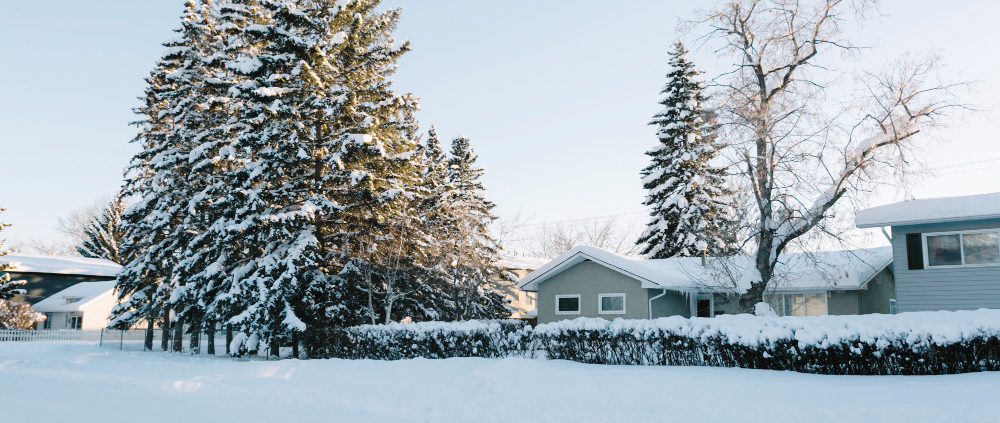
Home covered in snow during a winter in Pittsburgh

Winter in the Pittsburgh Area has a way of settling in fast. One day you are raking leaves and the next day you are scraping frost from your windshield before the sun is even up. Cold weather, long stretches of moisture, and sudden temperature swings can put a lot of stress on a house. And if something small goes wrong at the wrong time, it usually turns into a bigger and more expensive problem than you expected.

As Pittsburgh area home inspectors, the team at Clarity Home Inspection sees the same winter issues pop up again and again. Many of them are preventable with basic seasonal maintenance. None of this work is glamorous, but it can help you protect your home, keep heating bills manageable, and avoid surprise repairs when it is ten degrees outside and everything feels frozen in place.

This guide walks through the most common winter maintenance tasks that actually make a difference in our region. There is nothing fancy here, just clear advice based on what local inspectors see inside real Pittsburgh homes every day. Think of it as a friendly reminder list from someone who has spent a lot of time in basements, attics, crawl spaces, and mechanical rooms across the region.

And if you ever feel unsure about the condition of your home or want a professional eye on a potential issue, reaching out to trusted Pittsburgh area home inspectors can give you a clearer picture of what you are dealing with.

Check the Exterior Before the Cold Fully Sets In

Any winter maintenance routine should start outside. Once the snow starts sticking, small exterior issues are harder to spot and even harder to fix. The nicer fall days are the perfect time to walk around the property and look for anything that seems off.

Begin with the roof. You do not need to climb onto it. Most people can see enough from the ground with a pair of binoculars or by slowly scanning the surface. Look for missing or curled shingles, dark patches that look like moisture, or anything that seems uneven. The freeze and thaw cycle in the Pittsburgh Area can lift loose shingles even more, which sometimes turns a tiny problem into a leak. A small repair now can help you avoid water dripping into your attic in the middle of January.

Next, look at your gutters. When gutters clog, water has nowhere to go. It spills over the sides, freezes, and pushes back into the edge of the roof. This can cause ice dams. An ice dam looks harmless from the ground, but it can force water under shingles and into the home. Clearing the gutters before winter is one of the simplest ways to protect a roof. Also check that downspouts direct water several feet away from the foundation. If water pools against the house all winter, the soil can shift or flood the basement.

While you are outside, look around for cracks in siding, gaps near windows, soft spots in trim boards, or loose pieces of exterior material. Wood rot is more common than people assume. The constant moisture of winter can spread it quickly. A few small repairs now can prevent a bigger structural problem later.

Seal Drafts and Improve Energy Efficiency

Drafts are more than annoying cold spots. They waste a surprising amount of money over the course of a winter. Even a small gap around a window frame can pull warm air out and let cold air in every hour of the day.

You can test for drafts by gently moving your hand around window edges, door frames, and electrical outlets on exterior walls. If you feel cool air, even slightly, you have a leak. Weatherstripping around doors and caulk around window trim can usually seal things up. These fixes cost very little, and the improvement shows up fast once temperatures drop.

Homes in the Pittsburgh Area also benefit from checking attic insulation before winter arrives. The attic is where most heat escapes. Old insulation settles over time and begins to lose its usefulness. If you can see the tops of the ceiling joists, you probably do not have enough insulation. Adding more can make a real difference in comfort and heating costs. It also protects the roof by keeping the attic temperature more stable, which helps prevent ice dams.

If you are unsure about the state of your insulation or ventilation, a professional inspection can help. Pittsburgh area home inspectors spend a lot of time in attics and can tell you whether your setup is helping your home or working against it.

Service the Heating System

No one wants to wake up on a freezing January morning to a cold house because the furnace stopped working. Most heating failures give warning signs long before they break. The problem is that people often ignore those signs. A simple tune up every fall helps keep your system running smoothly and can reveal issues before they turn into emergencies.

A typical heating service includes checking burners, cleaning components, confirming safe carbon monoxide levels, inspecting the blower motor, and making sure the system is venting correctly. Natural gas furnaces are common across the Pittsburgh Area, and they rely on clear airflow and balanced combustion. When something is slightly off, the system burns more fuel and works harder than it needs to.

You should also change your furnace filter several times throughout the winter. A dirty filter restricts airflow, which makes the system run longer and strains internal parts. Filters are cheap. Heating repairs are not.

If you use a fireplace or wood stove, have the chimney inspected and cleaned before lighting the first fire. Creosote buildup is a real fire risk. Even gas fireplaces should be checked to make sure vents and seals are working as they should.

Protect Your Plumbing From Freezing

Frozen pipes remain one of the most stressful winter problems for homeowners. Once a pipe freezes, there is a good chance it will burst. That usually leads to water damage, cleanup expenses, and plumbing repair bills. And it often happens during the coldest nights of the year.

You can prevent most of these issues with a few easy habits. Start by insulating pipes in unheated spaces like basements, garages, crawl spaces, and exterior walls. Pipe insulation is affordable and takes very little time to install.

Outside, detach garden hoses from spigots and drain them completely. Even frostproof spigots can crack if a hose stays attached. If your home has interior shut off valves for outdoor lines, close those valves and let the water drain before winter.

Inside the home, keep cabinet doors open under kitchen and bathroom sinks during extreme cold nights. This lets warm air from the room reach the pipes. If temperatures are expected to drop very low, allowing a small drip from a faucet can keep water moving enough to prevent freezing.

If a pipe ever does freeze, shut off the water supply immediately and call for help. Trying to thaw a frozen pipe yourself can cause hidden damage. Pittsburgh area home inspectors often spot signs of past freeze issues during inspections, usually in areas most homeowners rarely visit.

Check for Moisture Problems Before They Get Worse

Winter creates unique moisture challenges. Cold air outside and warm air inside cause condensation. Snow melts and refreezes. Basements stay damp. All these conditions invite mold growth if you are not paying attention.

Basements and crawl spaces deserve extra care. Look for signs of water seepage along walls or in corners. Even a small trickle during winter can turn into mold by spring. A dehumidifier often helps, but standing water or regular seepage usually requires a more focused solution.

Bathrooms also need proper ventilation in winter. Steam from hot showers has nowhere to go if fans are weak or rarely used. Running the exhaust fan for fifteen to twenty minutes after every shower reduces moisture buildup and keeps walls and ceilings dry.

Windows can fog up during the coldest months. A little condensation is normal, but constant water dripping down the glass is not. This can signal high indoor humidity or poor insulation. Over time, it can cause wood rot or mold around the frame.

If you are unsure whether a moisture spot is harmless or the start of something bigger, getting an inspection can bring clarity. Experienced Pittsburgh area home inspectors can tell the difference between normal seasonal moisture and a developing problem.

Test Safety Devices Throughout the Home

Winter is when homes are closed up the most, fireplaces run more often, and heating systems burn fuel nonstop. This makes working smoke detectors and carbon monoxide detectors essential.

Test every smoke detector and carbon monoxide detector before winter begins. Replace batteries even if they are not dead. If any device is older than ten years, it is time for a new one. Detectors do not last forever, and older units become less reliable.

If you have fuel burning appliances like gas furnaces, water heaters, or stoves, carbon monoxide monitoring is especially important. Carbon monoxide is silent and invisible. A working detector is the only way to know if something is wrong.

Fire extinguishers also deserve a quick check. Make sure they are in accessible spots and the pressure gauge is in the safe zone. Most homeowners do not think about extinguishers until they truly need them.

Prepare for Winter Power Outages

The Pittsburgh Area occasionally sees winter storms strong enough to bring down tree branches or power lines. When outages happen during cold weather, it is easier to stay comfortable if you prepare ahead of time.

Keep a few basic supplies in an easy to reach place. These might include flashlights, fresh batteries, a battery powered radio, spare blankets, bottled water, and some shelf stable food. If you rely on electric heat, consider a safe alternative heat source or at least plan for how you will stay warm until power returns.

If you own a portable generator, test it before winter. Make sure you understand how to run it safely. Never use a generator indoors or too close to the house. Carbon monoxide from a running generator can move into a home quicker than people realize.

Tidy Up Landscaping to Protect the Home

Yardwork might not seem important in winter home care, but overgrown trees and shrubs can cause real trouble once heavy snow comes.

Trim branches that hang close to the roof or touch siding. Snow and ice can weigh down branches enough to snap them, which may damage the home. Likewise, vines or shrubs pressed tightly against the exterior can hold moisture and contribute to rot.

Clear leaves away from foundation walls. Leaves trap moisture and can add to basement dampness. Clean pathways and outdoor stairs so you have safer footing when they become icy.

Look After Exterior Walkways and Driveways

Winter in the Pittsburgh Area brings freeze thaw cycles that can crack pavement. Before the cold season settles in, inspect your walkways and driveway for small cracks. Water gets into cracks, freezes, expands, and slowly breaks the surface apart.

Sealing cracks before winter can slow this process. It will not make your driveway perfect, but it can help it last longer. Also make sure you have ice melt on hand early in the season. Look for types that are safe for concrete and pets. Using the wrong product on concrete can cause pitting or surface damage.

Protect Appliances and Mechanical Systems

Winter puts more stress on mechanical systems. Water heaters work harder. Appliances in cold basements take longer to warm up. Dryer vents often clog faster since they run more during the season.

Clear lint from the dryer vent pipe before winter. Lint buildup is one of the most common causes of house fires. Check the vent outside to make sure air is flowing freely and nothing is blocking the opening.

For gas water heaters, look at the vent pipe to confirm it is secure and free of rust or holes. Also listen for odd sounds or rumbling. Sediment buildup sometimes makes water heaters noisy. Flushing the tank, if recommended for your model, can prolong the life of the unit.

If your home uses sump pumps, test them before winter storms arrive. Pour a bucket of water into the pit and make sure the pump activates. A failed sump pump during a winter thaw can lead to basement flooding.

Review Your Home Insurance Policy Before Winter

This task often gets ignored. Winter storms, frozen pipes, and roof issues can lead to insurance claims. Understanding what your policy actually covers can help you avoid surprises.

Some policies exclude backup from drains or sump pumps. Others limit coverage for roof damage caused by ice. If something seems unclear, ask your agent to explain it. This is not exciting work, but it gives you a better sense of what risks you may need to handle on your own.

Schedule a Winter Home Inspection if You Want a Clearer Picture

Plenty of homeowners handle winter prep on their own. But there are times when you might want a more detailed look at your home. Maybe you have an older house. Maybe you have noticed a draft or a moisture spot and are not sure what it means. Maybe you want reassurance before the harshest part of winter arrives.

A seasonal inspection gives you a report on your roof, attic, heating system, insulation, electrical safety, plumbing, foundation, and more. And because local inspectors understand how Pittsburgh winters affect homes, they know what to look for and where to look.

Professional inspection findings can help you decide which maintenance tasks matter most and which ones can wait. For many people, that peace of mind alone is worth it.

Home radon testing

If you’re a homeowner in the Pittsburgh area, you may have heard about the dangers of radon and the importance of mitigation. Radon is a naturally occurring radioactive gas that can seep into homes from the ground, posing serious health risks. A radon mitigation system is designed to reduce radon levels and make your home safer for you and your family. But what exactly does it do, and how does it work? Let’s dive in.

Understanding Radon and Its Risks

Radon is an odorless, colorless, and tasteless gas that forms from the natural breakdown of uranium in soil and rock. As it rises to the surface, it can enter homes through foundation cracks, sump pumps, and other openings. Long-term exposure to high levels of radon is the second leading cause of lung cancer in the U.S., making radon mitigation essential for homeowners.

How Does a Radon Mitigation System Work?

A radon mitigation system is designed to vent radon gas from beneath a home to the outside, preventing it from accumulating indoors. The most common type is an active soil depressurization (ASD) system, which consists of:

  • PVC Piping – Installed beneath the foundation or in a sump pit, the piping collects radon gas before it enters the home.
  • Radon Fan – A specialized fan creates negative pressure, drawing radon from the soil and directing it outside.
  • Vent Pipe – The collected radon is safely vented above the roofline, where it disperses harmlessly into the air.

Other types of mitigation systems may include sub-membrane depressurization for crawl spaces, passive systems for newly built homes, or a combination of methods, depending on the structure of the house.

Do You Need a Radon Mitigation System?

The only way to know if you need a radon mitigation system is through radon testing. A professional Pittsburgh area home inspector, like those at Clarity Home Inspection, can conduct a thorough test to measure radon levels in your home. If levels exceed 4.0 pCi/L (picocuries per liter), the EPA recommends taking action to reduce radon exposure.

Benefits of Installing a Radon Mitigation System

  • Improves Indoor Air Quality – Reduces the risk of radon-related health issues.
  • Increases Home Value – Buyers are more likely to invest in a home with a working radon system.
  • Energy Efficiency – Modern systems help maintain proper airflow while reducing radon levels.

Trust a Professional Pittsburgh Area Home Inspector

If you’re concerned about radon in your home, hiring a certified Pittsburgh area home inspector is the first step toward ensuring your family’s safety.

Termite damage in Pittsburgh homes

What’s the Deal with Termites in Pittsburgh?

Pittsburgh weather, with both rainy springs and hot summers, is like a welcome mat for termites. They’re not your typical houseguests, but they love it here. And the tricky part? They’re hard to detect. Understanding where they thrive and how to detect them is key. Catching them early can save a homeowner costly repairs.

It’s Important to Catch Them Early

Less Damage, Less Hassle: Termites are unwanted pests that are known to eat through your walls. Catching them early means they do less “eating” and you do less repairing.

Your Wallet Will Thank You: Termite damage repair can cost a pretty penny. Finding them early keeps that money in your pocket.

Stop Them in Their Tracks: Spot them early, and you stop them from spreading to areas in your home you frequent, such as a den or study.

Sleep Better at Night: There’s something comforting about knowing your home is termite-free.

Spotting the Un-welcome Visitors

Keep an eye out for these signs:

– Tap your walls. Does the wood sound hollow? If so, there may be termite damage.
– Notice any wood getting darker or paint bubbling up? Not a good sign.
– Mud tunnels on your walls or beams? Termites might be thriving here.
– Spot a swarm of winged insects? Time to take action.

How can I be sure I do not have termites?

One way to ensure your home is termite free is hiring a local Pittsburgh area home inspector to inspect your entire home. We are always here to help answer your questions. Contact us today!

Home inspection around pittsburgh pa

If you’re a homeowner in the Steel City, you’re living in a place where every neighborhood brims with personality and history. But with Pittsburgh’s unique blend of old and new architecture, there come certain challenges, especially after a home inspection. Whether you’re nestled in a quaint Lawrenceville row house or perched on the slopes of Mount Washington, here are some of the most common repairs Pittsburgh homes need after an inspection.

Tending to Timeless Foundations

Pittsburgh’s rolling hills and rivers are picturesque, but they also mean that many homes are built on slopes, leading to potential foundation issues. After a home inspection, it’s not uncommon for Pittsburghers to face the need for foundation repairs, especially in older homes where time has allowed for some settling. Look out for telltale signs like uneven floors, cracked walls, or doors that won’t close properly.

Roofs That Weather the Weather

In Pittsburgh, where the weather can change faster than a Kennywood rollercoaster ride, roofs must withstand a lot. From the heavy snowfalls to the springtime downpours, Pittsburgh roofs take a beating. Post-inspection repairs often include replacing worn shingles or fixing leaky flashing. Regular roof maintenance can help, but sometimes, a full replacement is what it takes to keep your abode dry and cozy.

Historic Homes, Historic Plumbing

Charming as they are, the historic homes in neighborhoods like the Mexican War Streets or Shadyside come with plumbing that sometimes belongs in a museum. Galvanized pipes, common in older homes, are prone to corrosion and clogging. After a home inspection, replacing old pipes with copper or PEX can save you from a burst pipe turning your basement into an impromptu swimming pool.

The Fight Against Moisture and Mold

Our city’s love affair with rivers and humidity is a recipe for moisture issues in our homes. A home inspection can often reveal hidden mold or dampness lurking in basements or attics. Addressing these issues might involve installing dehumidifiers, improving ventilation, or waterproofing basements to keep the Yinzer spirit high and the mildew low.

Insulation: Keeping the Heat in the ‘Burgh

We Pittsburghers are hearty folk, but no one likes throwing money out the window, especially in the form of heat. Many Pittsburgh homes, especially the older, draftier ones, need better insulation. Post-inspection, it’s common to upgrade attic insulation or to seal gaps around windows and doors to keep your home toasty and your energy bills reasonable.

Electrical Upgrades for Modern Times

Homes in the ‘Burgh have character, and with that character comes the need for electrical system updates. It’s not unusual for a home inspection to uncover outdated electrical panels or wiring that isn’t up to code. To safely power our modern gadgets, updating the electrical system is a post-inspection must.

Aesthetic Updates After the Technicalities

Finally, once the structural and systemic issues are addressed, many homeowners opt for cosmetic updates. It could be refinishing hardwood floors worn down by generations of Pittsburgh families, or updating a kitchen that still feels like a set from “Mister Rogers’ Neighborhood.”

Whether you’re preparing to sell your Pittsburgh pad or settling into your forever home, paying attention to these common post-inspection repairs can ensure your house stands as strong as our city’s heritage. Remember, a well-maintained home is like a good neighbor — always there for you when you need it.

In Pittsburgh, our homes are as robust and full of life as our people. With a little care and regular maintenance, we can keep them standing proud and strong, come rain, shine, or Steelers game day.

Inspecting a home in Pittsburgh

You may have heard of radon gas before, but what is it really? Radon is a colorless, odorless, and tasteless gas that is produced naturally from the breakdown of uranium in soil, water, and rocks. It can enter your home through cracks in the foundation or other openings, and once it’s inside, it can build up to dangerous levels.

So why is radon gas a problem? Well, long-term exposure to high levels of radon gas can lead to lung cancer. In fact, the EPA estimates that radon gas is responsible for about 21,000 lung cancer deaths each year in the United States. That’s why it’s important to test your home for radon gas and take steps to reduce your exposure if elevated levels are found.

Fortunately, there are things that you can do to reduce your risk of exposure to radon gas. If you live in an area where radon gas levels are known to be high, you can have your home tested for radon. If elevated levels are found, there are ways to mitigate the problem, such as sealing cracks in your foundation and installing a ventilation system that will help remove radon gas from your home.

Radon gas is a serious health hazard, but fortunately, there are things that you can do to protect yourself and your family from its dangers. Scheduling a home inspection in the Pittsburgh Area is one way to ensure you are not at risk. If you live in an area where radon gas levels are known to be high, have your home tested and take steps to reduce your exposure if elevated levels are found. By taking these precautions, you can help keep yourself and your family safe from the dangers of radon gas exposure.

Pittsburgh Area Home Inspector

The housing industry in Pittsburgh and its suburbs continue to gain traction as more people invest in new homes. While you may fall in love with the photos you see online from sellers, it can be risky if you decide to buy a home without doing a thorough home inspection. Here are the risks of skipping a home inspection for your next Pittsburgh Area home.

Safety Issues May not Be Identified

Some homes may have safety issues, especially in Crescent Township and Leetsdale, PA where homes may be older. Buying such a home without a professional home inspection can lead to various challenges once you move in. Safety issues such as electrical hazards, potential fire outbreaks, carbon monoxide, mold, pests, and radon could lead to severe injuries or even death in your household.

Home Buyers Fail to Get the Big Picture

Everyone wants to invest money in a home that is worth it. However, without a pro home inspection, you may overlook minor issues that can become a bigger nightmare in the long run. This can lead to frustrations, and you may not enjoy your home until you fix the issues. Doing a home inspection helps you identify the nitty-gritty details and make informed decisions when purchasing a home.

Budgeting for Future Repairs becomes Challenging

Without a home inspection, you may not identify various problems that need repairs and replacement. In this case, you won’t be able to budget for future expenses. This can distract your budgeting, leading to financial hardships in the long run.

A home with repair needs can be draining. You will have to spend most of your time and money fixing the issues. The good thing with a home inspection is that you get armed with knowledge about the current state of the home. You will know how to budget for repairs and replacements.

The Bottom Line

It is imperative to schedule a professional home inspection to avoid future problems with your new home. Consider working with a professional home inspector who understands every detail and can help you conduct a thorough home inspection worth a bang for your buck.

© Copyright Clarity Home Inspection | Website by Spectora | Privacy Policy