
Older Pittsburgh Homes Knob and Tube Wiring and What Homeowners Need to Know
If you own an older home in the Pittsburgh area, or you are thinking about buying one, there is a decent chance you have heard the phrase knob and tube wiring during a showing, an inspection, or a conversation with an electrician. For a lot of people, that phrase lands with immediate panic. It sounds old, risky, and expensive. Sometimes it is. But not every house with knob and tube wiring is facing the same problem, and not every situation calls for the same next step.
That is where a clear, practical explanation helps.
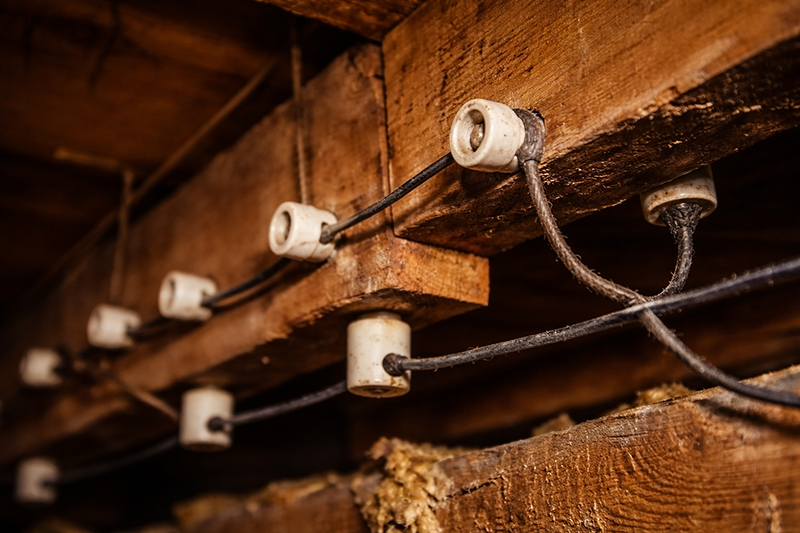
Knob and tube wiring was one of the earliest standardized methods of residential electrical wiring in North America. InterNACHI notes that it was commonly used from about 1880 into the 1940s. The system used single insulated copper conductors, supported by porcelain knobs and run through porcelain tubes where the wires passed through framing. InterNACHI also points out something important that often gets lost in the fear around it. Knob and tube is not automatically dangerous just because it exists. The bigger issues usually come from age, improper modifications, missing grounding, and the way homes have been updated over time, especially when insulation has been added around wiring that was designed to dissipate heat in open air.
That context matters a lot in the Pittsburgh area.
This region has a large stock of older homes, and older homes often come with older electrical systems or partial remnants of them. Allegheny County publishes data and mapping focused on older housing, including a specific housing built before 1950 map and a broader dataset explaining that older housing can affect health and housing quality. That alone tells you something important about the local housing landscape. A lot of homes here were built in the era when knob and tube wiring was common, which means buyers and homeowners in Western Pennsylvania run into it more often than people in newer housing markets do.
For Clarity Home Inspections, this is the kind of issue that deserves a calm, informed look rather than a knee jerk reaction. A home inspection is often where knob and tube first comes into focus for buyers. Sometimes the wiring is fully active. Sometimes only portions remain. Sometimes the visible parts are limited to the basement or attic, while the house has been partially rewired over the years. And sometimes what matters most is not just whether knob and tube exists, but how it has been altered, where it is located, and whether other signs suggest the system has been pushed beyond what it was intended to do.
This article walks through what knob and tube wiring actually is, why it still shows up in older Pittsburgh homes, what concerns homeowners should take seriously, and what a home inspection can help reveal before you decide what to do next.
Why knob and tube wiring still matters in Pittsburgh
A lot of older Pittsburgh homes were built well before modern wiring practices became standard. That includes city neighborhoods with early twentieth century housing, first ring suburbs with older masonry and frame homes, and many properties throughout Allegheny County that predate modern electrical expectations by decades.
That is the real reason knob and tube keeps coming up here. It is tied directly to the age of the housing stock. Allegheny County’s own older housing data resources make clear that housing built before 1950 remains a meaningful part of the local landscape. The City of Pittsburgh also continues documenting historic building stock through ongoing architecture inventory work, which reflects how much of the city still consists of older structures.
And older houses do not just have older wiring. They have layered histories. A home may have started with knob and tube, then had some circuits extended in the 1950s, panel changes in the 1970s, a kitchen update in the 1990s, and a few questionable handyman modifications somewhere in between. So when people ask whether a house has knob and tube wiring, the better question is usually this: how much of it remains, where is it active, what condition is it in, and how has the house been changed around it?
That is especially important now because the way we use electricity is very different from the way people used it when these systems were installed. InterNACHI explains that early household electrical demand was limited compared with the loads common in modern homes. Today, even a modest house may support more lighting, electronics, appliances, and charging equipment than the original system was ever expected to handle.
So the issue is rarely just old wiring in isolation. It is old wiring inside a modern lifestyle.
What knob and tube wiring actually is
Homeowners often hear the term without knowing what they are looking at.
Knob and tube wiring uses individual conductors rather than bundled cable. The wires are supported by porcelain knobs nailed to framing, and porcelain tubes protect them where they pass through wood framing members. InterNACHI describes those visible components clearly and notes that the original installation often required more skill than modern nonmetallic cable. That is one reason some old installations can look surprisingly neat and deliberate even many decades later.
In plain terms, the system was designed for an earlier time. It was built around open air spacing, relatively modest loads, and a very different set of expectations for home electricity use.
One important point homeowners need to understand is that knob and tube wiring usually has no grounding conductor. InterNACHI specifically notes that it has no ground wire and therefore cannot properly serve three prong appliances the way grounded modern wiring can. That missing ground does not always create an immediate visible failure, but it does matter for safety, equipment protection, and how modern outlets and devices are expected to function.
This is one reason older homes can feel confusing from an electrical standpoint. The house may look charming and solid, but behind the walls, parts of the system may still reflect electrical standards from a very different era.
Why knob and tube becomes a concern
The wiring itself is only part of the story.
InterNACHI makes an important distinction here. It states that knob and tube wiring is not inherently dangerous, and that many of the hazards come from its age, improper modifications, and situations where insulation surrounds conductors that were designed to release heat into free air. That is a more useful way to think about the issue than simply labeling every old system as an emergency.
There are a few reasons concern increases over time.
First, the insulation on old conductors can become brittle. InterNACHI notes that bending aged conductors may cause the insulation to crack and peel away. In a home that has seen decades of vibration, moisture changes, heat, dust, storage use, and remodeling activity, that aging process matters. Exposed or deteriorated insulation is a real warning sign.
Second, these systems were often modified later by people trying to adapt an old house to newer demands. InterNACHI says unsafe modifications are far more common with knob and tube wiring than with modern systems, partly because the systems are so old and have had more opportunities for amateur changes. It also notes that many existing systems were altered in attempts to meet increasing electrical loads from newer household equipment.
Third, the lack of grounding changes how the house can safely support modern use. InterNACHI specifically warns that knob and tube wiring should not be used in kitchens, bathrooms, laundry rooms, or outdoors, where grounding is important for safe use.
And fourth, insulation is a major issue.
Why insulation and knob and tube are such a bad combination
This is one of the most important things homeowners need to know, especially in Pittsburgh where many people try to improve comfort and energy efficiency in older homes.
Knob and tube wiring was designed to dissipate heat into open air. InterNACHI says that insulation around those wires can disturb that process, causing heat to build up and creating a fire hazard. The article specifically references the National Electrical Code requirement that this type of wiring not be buried in insulated wall, ceiling, or attic spaces where loose, rolled, or foamed insulation envelops the conductors.
EPA guidance for single family renovations lines up with that concern. It says not to bury unsafe wiring in attic insulation and specifically recommends that qualified personnel replace knob and tube wiring in accordance with applicable electrical codes. The U.S. Department of Energy has also issued weatherization guidance noting that insulation around knob and tube can cause overheating and create a fire hazard, and that states must ensure compliance with code requirements where this condition exists.
That is not just a technical detail. It is a very real issue in older Pittsburgh homes because so many owners are trying to make drafty houses more comfortable and more efficient. Attic insulation, wall insulation, air sealing, and energy upgrades are common projects. But if active knob and tube wiring is still present, those upgrades can become more complicated. In fact, Pennsylvania’s Weatherization Readiness Program specifically lists knob and tube wiring replacement among the repairs some homes need before they can be weatherized.
That tells you this is not a niche concern. It is common enough in Pennsylvania that public programs planning energy improvements are still accounting for it today.
What homeowners should look for
Most homeowners are not going to diagnose their own electrical system. And they should not try to. But there are a few signs that should make you slow down and look more carefully.
One is visible porcelain knobs or tubes in unfinished basements, attics, or utility spaces. Another is cloth covered wiring or older open conductor runs that seem out of place compared with newer cable. Two prong receptacles throughout much of the house can also suggest an older electrical system, though they do not prove active knob and tube by themselves.
Then there are signs of modification. Look for modern cable tied into older wiring in awkward ways, junctions that seem improvised, splices outside proper boxes, or sections where old conductors appear taped, cracked, or unsupported. InterNACHI specifically notes that knob and tube is often incorrectly spliced with modern wiring and that inspectors sometimes find improper taped connections.
There are also house wide clues. Frequent tripped circuits, flickering lights, warm switch plates, or outlets that do not appear grounded can all point to a system that deserves closer review. The U.S. Consumer Product Safety Commission says its home wiring hazards guide is meant to help identify electrical dangers before they lead to fires or shock.
That said, homeowners should avoid trying to pull insulation away from old wires, open electrical components, or test suspicious circuits on their own. The goal is to notice conditions, not to investigate them hands on.
What home buyers in Pittsburgh should know before closing
This is where knob and tube wiring becomes a real decision point.
If you are buying an older Pittsburgh house and the inspection finds active knob and tube wiring, the question is not simply whether to walk away. The better approach is to understand the scope and the context.
How much of the system is still active. Is it limited to lighting circuits in part of the house, or is it more widespread. Does it appear intact and undisturbed in accessible areas, or are there obvious signs of unsafe alteration. Is insulation touching it in the attic. Are there ungrounded outlets where grounded service would normally be expected. Are there signs the system has been partially abandoned or blended with newer work in ways that are not clear.
Those are the kinds of details that matter in a transaction.
InterNACHI advises prospective buyers to get an estimate for replacement costs and use that information when evaluating the purchase. It also notes that rewiring can take weeks and cost thousands of dollars.
That does not mean every home with knob and tube is a bad purchase. It means buyers need a realistic picture before they move forward. A house with limited visible remnants and a clear path to updating may be very different from one with widespread active older wiring and attic insulation buried over it.
This is one area where home inspectors pittsburgh buyers trust can make the process much easier. The inspection may not provide a full electrical redesign, but it can identify visible conditions, document concerns, and help you understand when a licensed electrician should step in before closing.
What current homeowners should know
If you already own the house, knob and tube wiring can feel like a problem you inherited and have been putting off. That is common.
Some homeowners live with it for years, especially if the house seems to function normally. The issue is that normal use does not always mean safe condition. Because the main risks often come from age and modification, a system can look quiet right up until someone adds insulation, renovates a room, plugs in more equipment, or disturbs brittle conductors during another project.
That is why homeowners should think ahead before remodeling. If you are planning attic insulation, bathroom work, kitchen changes, wall opening, service upgrades, or major rewiring of even part of the house, now is the time to understand whether active knob and tube remains.
Pennsylvania’s weatherization guidance is helpful here because it shows how this issue intersects with broader home improvement work. The state specifically identifies knob and tube replacement as one of the repairs some homes need before energy improvements can go forward.
In other words, old wiring is not just an electrical issue. It can shape what you can safely do next with the house.
The insurance issue homeowners ask about all the time
This comes up in real conversations constantly.
Some insurers are cautious about homes with active knob and tube wiring. InterNACHI states that many insurance companies refuse to insure houses that have knob and tube due to fire risk, while others may make exceptions if a qualified electrician evaluates the system and deems it safe.
The exact underwriting outcome depends on the carrier, the amount of active wiring, the condition of the system, and local requirements. So homeowners should not assume every insurer will respond the same way. But it is fair to say that knob and tube wiring can complicate insurance, especially during purchase or policy changes.
That is another reason documentation matters. A good inspection record, followed by an electrician’s evaluation when needed, can help turn a vague problem into a specific one.
What a home inspection can and cannot do
This part is worth being clear about.
A home inspection can identify visible evidence of knob and tube wiring, note concerns that suggest unsafe conditions, and document the context around what is observed. That may include visible active wiring in accessible spaces, signs of improper modification, missing grounding at outlets, insulation contact in attic areas, or conditions that warrant further evaluation by a licensed electrician.
What it cannot do is see through every finished wall or guarantee the full extent of hidden wiring.
That is why experienced pittsburgh area home inspection services are so valuable in older homes. The inspector helps you understand what is visible, what it likely means, and where the limits of a visual inspection are. In a house with older electrical history, that honest middle ground is important. You do not want false reassurance, and you do not want vague alarmism either.
You want a clear explanation of what is there, what is concerning, and what the next practical step should be.
When replacement becomes the smart move
There is no single rule that fits every house. But there are situations where replacement becomes the obvious recommendation.
If active knob and tube wiring is covered by insulation, that is a serious concern. If the visible insulation on conductors is brittle, cracked, or missing, that matters. If the house has widespread ungrounded circuits in areas where modern grounded service is expected, that matters too. If the wiring has been heavily modified, poorly spliced, or mixed with newer systems in ways that are difficult to interpret, replacement or major upgrade is often the more practical long term path.
EPA guidance says qualified personnel should replace knob and tube wiring in accordance with applicable codes. Pennsylvania weatherization guidance also treats replacement as a readiness issue in homes where older wiring blocks safe energy upgrades.
For many homeowners, the decision comes down to this. Are you trying to preserve a small legacy system that remains in limited use and appears undisturbed, or are you trying to keep an aging, altered, ungrounded system alive in a house that has already outgrown it?
Those are not the same thing.
The bottom line for Pittsburgh homeowners
Knob and tube wiring is common enough in older Pittsburgh homes that buyers and owners should understand it before they make big decisions. It was a real wiring method from another era, and it still shows up because this region still has a lot of older housing. Allegheny County’s older housing resources make that clear, and practical state programs in Pennsylvania still account for knob and tube replacement when homes need safety work before energy improvements can move ahead.
The main thing homeowners need to know is this. The presence of knob and tube wiring does not automatically tell you everything. The real questions are whether it is still active, what condition it is in, whether it has been modified, whether insulation surrounds it, and whether the house has already moved far beyond what that old system was designed to support.
That is exactly why inspections matter.
For buyers, an inspection helps you understand whether you are dealing with a manageable issue, a negotiation point, or a larger electrical project. For current owners, it helps you plan intelligently before insulation, remodeling, or other upgrades make the situation more complicated. And for anyone living in an older Pittsburgh home, it gives you a much better picture of what is really going on behind the charm.
If you are buying, selling, or maintaining an older property, working with home inspectors pittsburgh homeowners trust can help you spot visible warning signs early and decide when it is time to bring in a licensed electrician for deeper evaluation.



Leave a Reply
Want to join the discussion?Feel free to contribute!