
Running Your Home’s Air Conditioning in Summer 2026
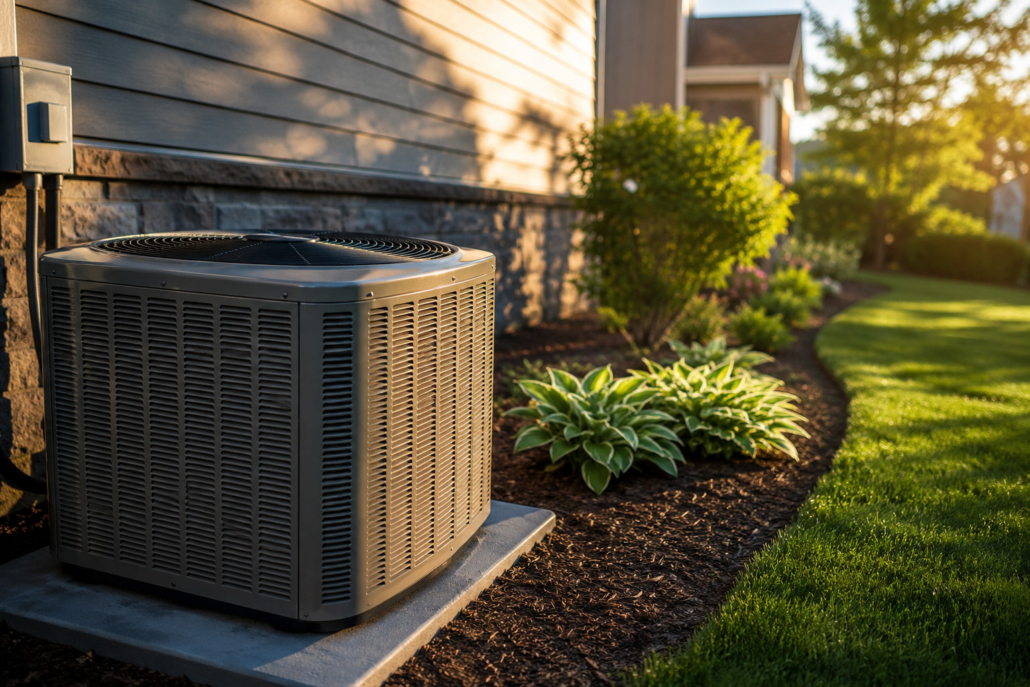
When summer temperatures rise across the Pittsburgh area, homeowners usually expect their air conditioning system to simply work. They want cool air, manageable electric bills, and no surprise breakdowns during the hottest week of the year.
But every summer, HVAC companies across Western Pennsylvania get overwhelmed with emergency service calls. In many cases, the problems started weeks or even months earlier. Small warning signs often go unnoticed until the system finally stops working altogether.
At Clarity Home Inspections, HVAC related issues are some of the more common concerns found during inspections. Air conditioning systems affect more than comfort. Problems with cooling systems can also impact humidity levels, indoor air quality, electrical systems, attic ventilation, and even moisture conditions inside the home.
For Pittsburgh homeowners, summer cooling can be especially challenging because many homes in the area are older and were built long before modern air conditioning systems became common. Older insulation, aging ductwork, outdated electrical components, and ventilation issues all add extra stress to cooling equipment.
If you want to avoid major air conditioning problems during Summer 2026, there are several important things worth paying attention to before the hottest temperatures arrive.
Why Pittsburgh Homes Put Extra Stress on Air Conditioning Systems
Western Pennsylvania summers can be deceptively rough on HVAC equipment. While Pittsburgh may not see the extreme temperatures found in southern states, the humidity levels create their own problems.
Humidity forces air conditioners to work harder and run longer. Even when the temperature itself is manageable, excess moisture in the air increases the cooling demand inside the home.
Older Pittsburgh homes add another layer of difficulty. Many homes throughout Allegheny County and surrounding neighborhoods were built decades ago with construction methods very different from today’s standards.
During inspections, some of the most common cooling related concerns include:
- Poor attic ventilation
- Inadequate insulation
- Aging HVAC systems
- Leaky ductwork
- Limited return air flow
- Older electrical panels
- Moisture buildup in basements
- Uneven cooling between floors
Second floor rooms are especially common trouble spots during the summer months. Homeowners often notice bedrooms upstairs staying much warmer than the lower levels of the house.
This does not always mean the air conditioner itself is failing. Sometimes the home’s overall construction and airflow design contribute heavily to cooling problems.
Start With the Air Filter
One of the simplest and most overlooked maintenance tasks is replacing the HVAC air filter.
A clogged filter restricts airflow throughout the system. Once airflow drops, the equipment has to work much harder to cool the home properly. Over time, this added strain can contribute to:
- Frozen evaporator coils
- Reduced cooling efficiency
- Increased energy bills
- Shortened equipment lifespan
- Weak airflow from vents
Homes with pets, older duct systems, nearby construction, or higher dust levels often need filter replacements more frequently than homeowners realize.
For many homes, filters should be checked every month during peak summer cooling season.
Some homeowners assume their filter lasts three months because that is what the packaging says. In reality, many filters become dirty much sooner depending on the conditions inside the home.
Keep the Outdoor Unit Clear
The outdoor condenser unit needs proper airflow to release heat effectively.
Unfortunately, many units become partially blocked during spring and early summer because of:
- Overgrown landscaping
- Grass clippings
- Mulch buildup
- Leaves
- Outdoor furniture
- Shrubs planted too closely
Restricted airflow forces the system to run hotter and less efficiently.
Homeowners should keep several feet of clearance around the condenser whenever possible. The area should remain clean and open throughout the cooling season.
It is also important not to damage the condenser fins during cleaning. Pressure washers can easily bend the fins and reduce airflow.
Pay Attention to Humidity Inside the Home
A properly functioning air conditioning system should help control indoor humidity levels.
If the house suddenly feels damp, sticky, or muggy, the system may not be removing moisture effectively.
Excess indoor humidity can contribute to:
- Mold growth
- Musty odors
- Condensation on windows
- Increased allergy symptoms
- Moisture damage
This becomes especially important in older Pittsburgh homes with basement moisture concerns.
Basements throughout Western Pennsylvania often struggle with humidity during the summer months. When cooling systems are not functioning correctly, moisture problems can worsen quickly.
Homeowners sometimes assume they only need a dehumidifier, when the actual issue may involve poor HVAC performance or inadequate ventilation.
Learn the Early Warning Signs of HVAC Trouble
Air conditioning systems rarely fail without warning. Most equipment shows smaller symptoms before a complete breakdown happens.
Catching those signs early can often reduce repair costs and help avoid emergency service calls during extreme heat.
Weak Airflow From Vents
Weak airflow is one of the most common signs something is wrong.
Possible causes include:
- Dirty air filters
- Frozen evaporator coils
- Duct restrictions
- Blower motor issues
- Air leaks in ductwork
If certain rooms consistently receive less airflow than others, it may also point to duct design issues common in older homes.
Warm Air Instead of Cool Air
If the thermostat is set correctly but the vents are blowing warm air, several issues may be involved:
- Refrigerant problems
- Dirty coils
- Compressor failure
- Electrical issues
- Thermostat malfunctions
Warm airflow should never be ignored during summer.
Strange Sounds
Air conditioners should not produce loud or unusual noises.
Grinding, rattling, buzzing, squealing, or banging sounds may indicate:
- Loose components
- Failing motors
- Damaged fan blades
- Electrical problems
- Worn bearings
Small mechanical problems often become expensive repairs if ignored too long.
Water Around the Indoor Unit
Many homeowners become alarmed when they notice water near the furnace or air handler.
Often, the issue involves a clogged condensate drain line. During humid weather, air conditioners remove significant moisture from the air. That moisture needs somewhere to drain properly.
Blocked drain lines can eventually lead to water damage around the HVAC equipment area.
Attic Ventilation Plays a Bigger Role Than Most People Think
One of the more overlooked causes of cooling struggles is poor attic ventilation.
During Pittsburgh summers, attic temperatures can climb well above 120 degrees. Without proper ventilation and insulation, that heat radiates downward into the living spaces below.
The result is an air conditioning system that runs constantly but still struggles to maintain comfortable temperatures.
Signs of attic ventilation problems may include:
- Extremely hot upstairs rooms
- High cooling bills
- Moisture buildup in attic spaces
- Mold growth
- Premature roof aging
Proper attic ventilation works together with insulation to reduce cooling demand throughout the home.
Older Pittsburgh Homes Often Have Airflow Problems
The Pittsburgh area has a large number of older homes filled with character and history. But many of those homes were not originally designed for central air conditioning systems.
Over the years, homeowners may have added ductwork during renovations or HVAC upgrades. In some cases, those retrofits were not designed efficiently.
During inspections, common airflow related concerns include:
- Undersized return ducts
- Poor vent placement
- Unsealed duct joints
- Inadequate insulation around ducts
- Improperly balanced systems
Second floor cooling complaints are especially common in older multi story homes.
Homeowners sometimes assume they need a completely new air conditioner when the actual issue involves airflow distribution problems.
Thermostat Problems Are More Common Than Many Realize
Sometimes the air conditioner itself is not the problem.
Thermostats can malfunction, lose calibration, or operate incorrectly over time.
Older thermostats may cause:
- Short cycling
- Incorrect temperature readings
- Uneven cooling
- Excessive system runtime
Even newer smart thermostats can create problems if they were installed improperly or programmed incorrectly.
If cooling performance suddenly changes without an obvious mechanical issue, the thermostat is worth checking.
Utility Bills Can Reveal Problems Early
A noticeable increase in summer electric bills often points to declining HVAC efficiency.
When cooling systems begin struggling, they usually run longer cycles to maintain indoor temperatures. That added runtime increases energy usage.
Homeowners should pay attention if utility costs suddenly rise despite similar weather conditions compared to previous summers.
Potential causes may include:
- Dirty coils
- Low refrigerant
- Air leaks
- Aging equipment
- Poor insulation
- Restricted airflow
Even if the home still feels cool enough, increased operating costs may indicate developing problems.
Maintenance Matters More Than Age Alone
Many homeowners focus heavily on the age of the air conditioner. While age certainly matters, maintenance history often matters just as much.
Some properly maintained systems continue operating reliably beyond fifteen years. Others develop serious problems much earlier because maintenance was neglected.
Routine HVAC maintenance commonly includes:
- Coil cleaning
- Refrigerant checks
- Drain line inspection
- Electrical testing
- Capacitor testing
- Thermostat calibration
- Airflow evaluation
Scheduling maintenance before peak summer temperatures arrive can reduce the chances of emergency breakdowns later in the season.
Do Not Ignore Basement Moisture
In many Pittsburgh homes, basement moisture and HVAC performance are closely connected.
Cooling systems naturally remove humidity from indoor air. But when drainage issues already exist around the home, excess moisture can become more noticeable during summer.
Common moisture related concerns include:
- Damp basement walls
- Condensation around ductwork
- Musty odors
- Mold growth
- Water intrusion near foundations
Older homes with stone foundations or historic basement construction may be especially vulnerable during humid weather.
Proper drainage around the exterior of the home also plays an important role in maintaining healthy indoor conditions.
Dirty Vents and Registers Restrict Airflow
Supply and return vents should remain open and unobstructed.
Many homeowners accidentally reduce airflow by placing furniture, rugs, curtains, or storage items over vents.
Dust buildup inside vents can also contribute to airflow restrictions over time.
Simple maintenance steps include:
- Vacuuming vents regularly
- Keeping furniture away from registers
- Ensuring return vents stay clear
- Checking for visible dust buildup
Closing vents in unused rooms is usually not recommended for modern HVAC systems because it can create pressure imbalances.
Air Leaks Make Cooling Harder
Air conditioning systems become less effective when cooled air constantly escapes the home.
Common air leak locations include:
- Older windows
- Exterior doors
- Attic access points
- Basement rim joists
- Poorly sealed ductwork
Homes throughout the Pittsburgh area often develop air leakage problems as materials age and settle over time.
Improving air sealing can help reduce cooling demand and improve comfort levels throughout the house.
Homebuyers Should Watch HVAC Performance Carefully
Summer home showings can reveal a lot about a property’s cooling system.
Buyers should pay attention to:
- Indoor comfort levels
- Airflow consistency
- Humidity inside the home
- HVAC noise levels
- Water stains near equipment
- Musty odors
- Excessively warm upstairs rooms
A home inspection can help identify hidden HVAC concerns that may not be obvious during a short walkthrough.
For homeowners searching for experienced Clarity Home Inspections professionals, HVAC evaluations are often an important part of understanding the overall condition of the home.
Know When Your System May Be Nearing Replacement
Most residential air conditioning systems have an average lifespan of roughly 10 to 15 years depending on usage and maintenance.
Signs an aging system may be approaching replacement include:
- Frequent repairs
- Rising utility bills
- Uneven cooling
- Excessive noise
- Refrigerant issues
- Difficulty maintaining temperature
Older systems using outdated refrigerants may also become more expensive to repair over time.
Homeowners do not always need immediate replacement, but understanding the condition of the system can help with future budgeting and planning.
Ceiling Fans Can Reduce Cooling Strain
Ceiling fans do not lower room temperature directly, but they improve air circulation and help rooms feel cooler.
This allows many homeowners to set the thermostat slightly higher without sacrificing comfort.
Fans can be especially helpful in:
- Upstairs bedrooms
- Rooms with poor airflow
- Older homes with uneven cooling
- Areas with high ceilings
Using fans properly can help reduce overall cooling demand during the hottest summer months.
Shade and Sunlight Matter More Than People Expect
Direct sunlight adds significant heat to the interior of a home.
Simple changes like closing blinds during peak afternoon sun can noticeably reduce cooling strain.
South facing and west facing rooms often experience the highest heat gain during summer afternoons.
Homeowners can reduce indoor heat buildup by:
- Using blackout curtains
- Keeping blinds closed during peak sun hours
- Adding exterior shade where possible
- Limiting oven use during the hottest part of the day
These smaller adjustments can help air conditioners operate more efficiently.
Preventive Inspections Can Catch Problems Early
Many homeowners only think about inspections during real estate transactions. But preventive home inspections can also help identify developing concerns before they become major repairs.
HVAC systems interact with several other parts of the home including:
- Electrical systems
- Ventilation
- Drainage
- Insulation
- Moisture control
A thorough inspection may identify hidden issues contributing to cooling problems long before a complete system failure occurs.
For homeowners looking for reliable Clarity Home Inspections services, understanding the condition of the home’s major systems can help reduce unexpected repair costs and improve overall comfort.
Final Thoughts
Keeping your home’s air conditioning running smoothly during Summer 2026 does not usually require complicated upgrades or expensive equipment. In many cases, consistency matters more than anything else.
Simple maintenance, early attention to warning signs, proper airflow, and moisture control all play major roles in keeping cooling systems operating efficiently.
Pittsburgh homes present unique challenges because of the area’s humidity, older housing stock, and changing seasonal conditions. What appears to be an air conditioning problem may actually involve insulation, ventilation, drainage, or airflow deficiencies elsewhere in the home.
The sooner developing issues are identified, the easier and less expensive they usually are to address.
Whether you own a historic Pittsburgh property or a newer suburban home, proactive inspections and regular maintenance can go a long way toward avoiding cooling problems during the hottest months of the year.


Leave a Reply
Want to join the discussion?Feel free to contribute!