Tag Archive for: pittsburgh area home inspector

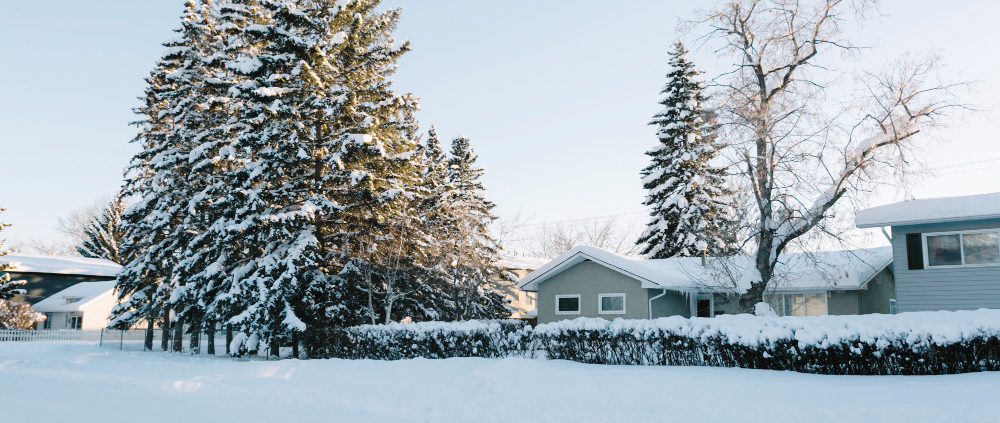
Home covered in snow during a winter in Pittsburgh

Winter in the Pittsburgh Area has a way of settling in fast. One day you are raking leaves and the next day you are scraping frost from your windshield before the sun is even up. Cold weather, long stretches of moisture, and sudden temperature swings can put a lot of stress on a house. And if something small goes wrong at the wrong time, it usually turns into a bigger and more expensive problem than you expected.

As Pittsburgh area home inspectors, the team at Clarity Home Inspection sees the same winter issues pop up again and again. Many of them are preventable with basic seasonal maintenance. None of this work is glamorous, but it can help you protect your home, keep heating bills manageable, and avoid surprise repairs when it is ten degrees outside and everything feels frozen in place.

This guide walks through the most common winter maintenance tasks that actually make a difference in our region. There is nothing fancy here, just clear advice based on what local inspectors see inside real Pittsburgh homes every day. Think of it as a friendly reminder list from someone who has spent a lot of time in basements, attics, crawl spaces, and mechanical rooms across the region.

And if you ever feel unsure about the condition of your home or want a professional eye on a potential issue, reaching out to trusted Pittsburgh area home inspectors can give you a clearer picture of what you are dealing with.

Check the Exterior Before the Cold Fully Sets In

Any winter maintenance routine should start outside. Once the snow starts sticking, small exterior issues are harder to spot and even harder to fix. The nicer fall days are the perfect time to walk around the property and look for anything that seems off.

Begin with the roof. You do not need to climb onto it. Most people can see enough from the ground with a pair of binoculars or by slowly scanning the surface. Look for missing or curled shingles, dark patches that look like moisture, or anything that seems uneven. The freeze and thaw cycle in the Pittsburgh Area can lift loose shingles even more, which sometimes turns a tiny problem into a leak. A small repair now can help you avoid water dripping into your attic in the middle of January.

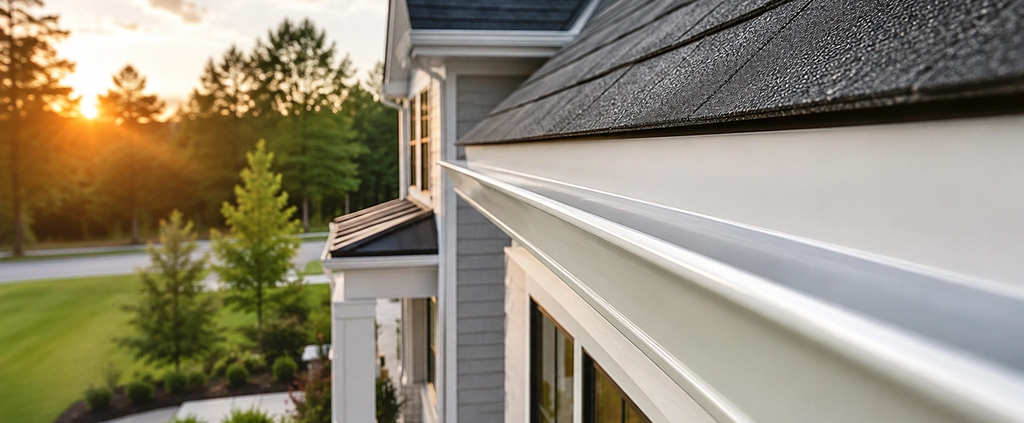
Next, look at your gutters. When gutters clog, water has nowhere to go. It spills over the sides, freezes, and pushes back into the edge of the roof. This can cause ice dams. An ice dam looks harmless from the ground, but it can force water under shingles and into the home. Clearing the gutters before winter is one of the simplest ways to protect a roof. Also check that downspouts direct water several feet away from the foundation. If water pools against the house all winter, the soil can shift or flood the basement.

While you are outside, look around for cracks in siding, gaps near windows, soft spots in trim boards, or loose pieces of exterior material. Wood rot is more common than people assume. The constant moisture of winter can spread it quickly. A few small repairs now can prevent a bigger structural problem later.

Seal Drafts and Improve Energy Efficiency

Drafts are more than annoying cold spots. They waste a surprising amount of money over the course of a winter. Even a small gap around a window frame can pull warm air out and let cold air in every hour of the day.

You can test for drafts by gently moving your hand around window edges, door frames, and electrical outlets on exterior walls. If you feel cool air, even slightly, you have a leak. Weatherstripping around doors and caulk around window trim can usually seal things up. These fixes cost very little, and the improvement shows up fast once temperatures drop.

Homes in the Pittsburgh Area also benefit from checking attic insulation before winter arrives. The attic is where most heat escapes. Old insulation settles over time and begins to lose its usefulness. If you can see the tops of the ceiling joists, you probably do not have enough insulation. Adding more can make a real difference in comfort and heating costs. It also protects the roof by keeping the attic temperature more stable, which helps prevent ice dams.

If you are unsure about the state of your insulation or ventilation, a professional inspection can help. Pittsburgh area home inspectors spend a lot of time in attics and can tell you whether your setup is helping your home or working against it.

Service the Heating System

No one wants to wake up on a freezing January morning to a cold house because the furnace stopped working. Most heating failures give warning signs long before they break. The problem is that people often ignore those signs. A simple tune up every fall helps keep your system running smoothly and can reveal issues before they turn into emergencies.

A typical heating service includes checking burners, cleaning components, confirming safe carbon monoxide levels, inspecting the blower motor, and making sure the system is venting correctly. Natural gas furnaces are common across the Pittsburgh Area, and they rely on clear airflow and balanced combustion. When something is slightly off, the system burns more fuel and works harder than it needs to.

You should also change your furnace filter several times throughout the winter. A dirty filter restricts airflow, which makes the system run longer and strains internal parts. Filters are cheap. Heating repairs are not.

If you use a fireplace or wood stove, have the chimney inspected and cleaned before lighting the first fire. Creosote buildup is a real fire risk. Even gas fireplaces should be checked to make sure vents and seals are working as they should.

Protect Your Plumbing From Freezing

Frozen pipes remain one of the most stressful winter problems for homeowners. Once a pipe freezes, there is a good chance it will burst. That usually leads to water damage, cleanup expenses, and plumbing repair bills. And it often happens during the coldest nights of the year.

You can prevent most of these issues with a few easy habits. Start by insulating pipes in unheated spaces like basements, garages, crawl spaces, and exterior walls. Pipe insulation is affordable and takes very little time to install.

Outside, detach garden hoses from spigots and drain them completely. Even frostproof spigots can crack if a hose stays attached. If your home has interior shut off valves for outdoor lines, close those valves and let the water drain before winter.

Inside the home, keep cabinet doors open under kitchen and bathroom sinks during extreme cold nights. This lets warm air from the room reach the pipes. If temperatures are expected to drop very low, allowing a small drip from a faucet can keep water moving enough to prevent freezing.

If a pipe ever does freeze, shut off the water supply immediately and call for help. Trying to thaw a frozen pipe yourself can cause hidden damage. Pittsburgh area home inspectors often spot signs of past freeze issues during inspections, usually in areas most homeowners rarely visit.

Check for Moisture Problems Before They Get Worse

Winter creates unique moisture challenges. Cold air outside and warm air inside cause condensation. Snow melts and refreezes. Basements stay damp. All these conditions invite mold growth if you are not paying attention.

Basements and crawl spaces deserve extra care. Look for signs of water seepage along walls or in corners. Even a small trickle during winter can turn into mold by spring. A dehumidifier often helps, but standing water or regular seepage usually requires a more focused solution.

Bathrooms also need proper ventilation in winter. Steam from hot showers has nowhere to go if fans are weak or rarely used. Running the exhaust fan for fifteen to twenty minutes after every shower reduces moisture buildup and keeps walls and ceilings dry.

Windows can fog up during the coldest months. A little condensation is normal, but constant water dripping down the glass is not. This can signal high indoor humidity or poor insulation. Over time, it can cause wood rot or mold around the frame.

If you are unsure whether a moisture spot is harmless or the start of something bigger, getting an inspection can bring clarity. Experienced Pittsburgh area home inspectors can tell the difference between normal seasonal moisture and a developing problem.

Test Safety Devices Throughout the Home

Winter is when homes are closed up the most, fireplaces run more often, and heating systems burn fuel nonstop. This makes working smoke detectors and carbon monoxide detectors essential.

Test every smoke detector and carbon monoxide detector before winter begins. Replace batteries even if they are not dead. If any device is older than ten years, it is time for a new one. Detectors do not last forever, and older units become less reliable.

If you have fuel burning appliances like gas furnaces, water heaters, or stoves, carbon monoxide monitoring is especially important. Carbon monoxide is silent and invisible. A working detector is the only way to know if something is wrong.

Fire extinguishers also deserve a quick check. Make sure they are in accessible spots and the pressure gauge is in the safe zone. Most homeowners do not think about extinguishers until they truly need them.

Prepare for Winter Power Outages

The Pittsburgh Area occasionally sees winter storms strong enough to bring down tree branches or power lines. When outages happen during cold weather, it is easier to stay comfortable if you prepare ahead of time.

Keep a few basic supplies in an easy to reach place. These might include flashlights, fresh batteries, a battery powered radio, spare blankets, bottled water, and some shelf stable food. If you rely on electric heat, consider a safe alternative heat source or at least plan for how you will stay warm until power returns.

If you own a portable generator, test it before winter. Make sure you understand how to run it safely. Never use a generator indoors or too close to the house. Carbon monoxide from a running generator can move into a home quicker than people realize.

Tidy Up Landscaping to Protect the Home

Yardwork might not seem important in winter home care, but overgrown trees and shrubs can cause real trouble once heavy snow comes.

Trim branches that hang close to the roof or touch siding. Snow and ice can weigh down branches enough to snap them, which may damage the home. Likewise, vines or shrubs pressed tightly against the exterior can hold moisture and contribute to rot.

Clear leaves away from foundation walls. Leaves trap moisture and can add to basement dampness. Clean pathways and outdoor stairs so you have safer footing when they become icy.

Look After Exterior Walkways and Driveways

Winter in the Pittsburgh Area brings freeze thaw cycles that can crack pavement. Before the cold season settles in, inspect your walkways and driveway for small cracks. Water gets into cracks, freezes, expands, and slowly breaks the surface apart.

Sealing cracks before winter can slow this process. It will not make your driveway perfect, but it can help it last longer. Also make sure you have ice melt on hand early in the season. Look for types that are safe for concrete and pets. Using the wrong product on concrete can cause pitting or surface damage.

Protect Appliances and Mechanical Systems

Winter puts more stress on mechanical systems. Water heaters work harder. Appliances in cold basements take longer to warm up. Dryer vents often clog faster since they run more during the season.

Clear lint from the dryer vent pipe before winter. Lint buildup is one of the most common causes of house fires. Check the vent outside to make sure air is flowing freely and nothing is blocking the opening.

For gas water heaters, look at the vent pipe to confirm it is secure and free of rust or holes. Also listen for odd sounds or rumbling. Sediment buildup sometimes makes water heaters noisy. Flushing the tank, if recommended for your model, can prolong the life of the unit.

If your home uses sump pumps, test them before winter storms arrive. Pour a bucket of water into the pit and make sure the pump activates. A failed sump pump during a winter thaw can lead to basement flooding.

Review Your Home Insurance Policy Before Winter

This task often gets ignored. Winter storms, frozen pipes, and roof issues can lead to insurance claims. Understanding what your policy actually covers can help you avoid surprises.

Some policies exclude backup from drains or sump pumps. Others limit coverage for roof damage caused by ice. If something seems unclear, ask your agent to explain it. This is not exciting work, but it gives you a better sense of what risks you may need to handle on your own.

Schedule a Winter Home Inspection if You Want a Clearer Picture

Plenty of homeowners handle winter prep on their own. But there are times when you might want a more detailed look at your home. Maybe you have an older house. Maybe you have noticed a draft or a moisture spot and are not sure what it means. Maybe you want reassurance before the harshest part of winter arrives.

A seasonal inspection gives you a report on your roof, attic, heating system, insulation, electrical safety, plumbing, foundation, and more. And because local inspectors understand how Pittsburgh winters affect homes, they know what to look for and where to look.

Professional inspection findings can help you decide which maintenance tasks matter most and which ones can wait. For many people, that peace of mind alone is worth it.

New construction home inspection

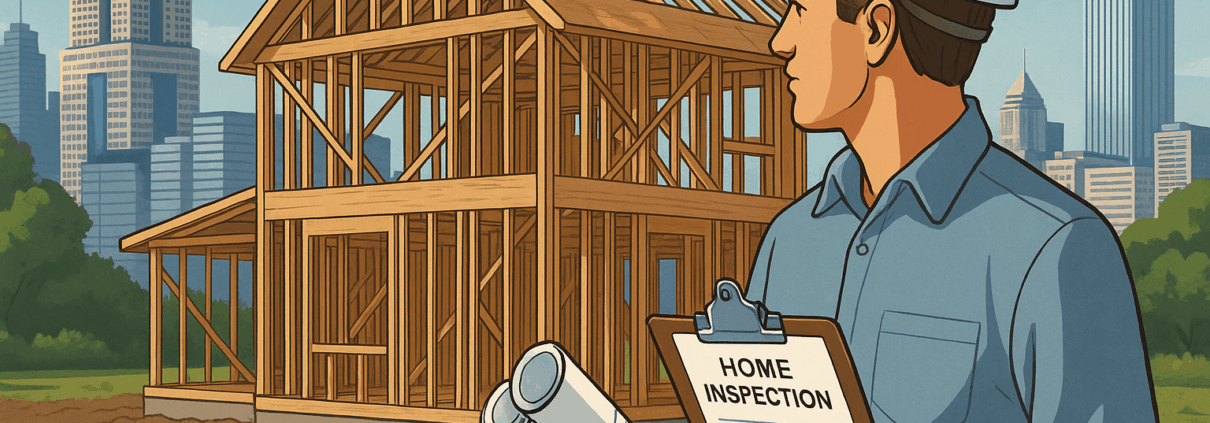
Building a home from the ground up is an exciting journey. As you watch your dream home take shape, there’s one crucial step you don’t want to overlook: the home inspection. Even brand-new properties can hide surprises, and scheduling inspections at the right milestones can save you time, money, and headaches down the road.

At Clarity Home Inspections LLC, we specialize in helping homeowners throughout the Pittsburgh Area feel confident in their investment. If you’re searching for “home inspection services near me,” you’re in the right place. Here’s our expert advice on exactly when to book your inspection during the new construction process.

1. Pre-Drywall (Framing) Inspection

Why now? Once the framing is up—walls, floors, and roof structure—it’s the perfect time to catch hidden issues. The drywall isn’t in place yet, so inspectors can easily access wiring, plumbing, HVAC ductwork, and structural elements.

  • Benefit: Identifies framing flaws, electrical routing problems, or plumbing misalignments before they’re covered up.
  • Tip: Coordinate with your builder to schedule this inspection just after rough-in (electrical and plumbing) but before insulation and drywall.

2. Mid-Construction Electrical & Mechanical Check (Optional)

Depending on the complexity of your home, you might consider a mid-build check specifically for your HVAC, electrical panel, or plumbing fixtures.

  • Benefit: Ensures each system is installed according to code and manufacturer specifications.
  • Tip: If you’re adding smart-home features or custom mechanical systems, this check can preempt costly retrofits.

3. Final (Pre-Closing) Inspection

When to schedule: Roughly 1–2 weeks before closing, once construction is essentially complete.

  • Focus Areas: Interior finishes, exterior siding, roofing, windows and doors, insulation, trim work, and safety features (handrails, smoke detectors).
  • Benefit: Verifies that every detail meets your standards and building codes before you take possession.

4. Post-Occupancy (11-Month) Warranty Inspection

Most builders offer a one-year warranty on new homes. Scheduling an inspection around month 11 helps you leverage warranty coverage for repairs.

  • Benefit: Identifies defects like minor cracks, appliance malfunctions, or settling issues while they’re still under warranty.
  • Tip: Book early enough to allow follow-up repairs before the warranty expires.

Why Choose Clarity Home Inspections?

  • Local Expertise: Serving the Pittsburgh Area, we know the unique building codes and climate challenges of our region.
  • Thorough Reports: Clear, photo-rich inspection reports you can share with your builder or lender.
  • Friendly Service: We make complex technical findings easy to understand, so you can make informed decisions.

Most Frequently Asked Question

Q: Do I really need an inspection on a new home?
Absolutely. Even the best builders can make mistakes, and municipal inspections might miss details. A third-party inspection protects your investment.


Building a new home is one of life’s biggest milestones. By scheduling inspections at these key stages, you’ll enjoy greater peace of mind and a smoother path to move-in day. Ready to get started? Reach out to Clarity Home Inspections LLC—your trusted partner in the Pittsburgh Area for home inspection services near me!

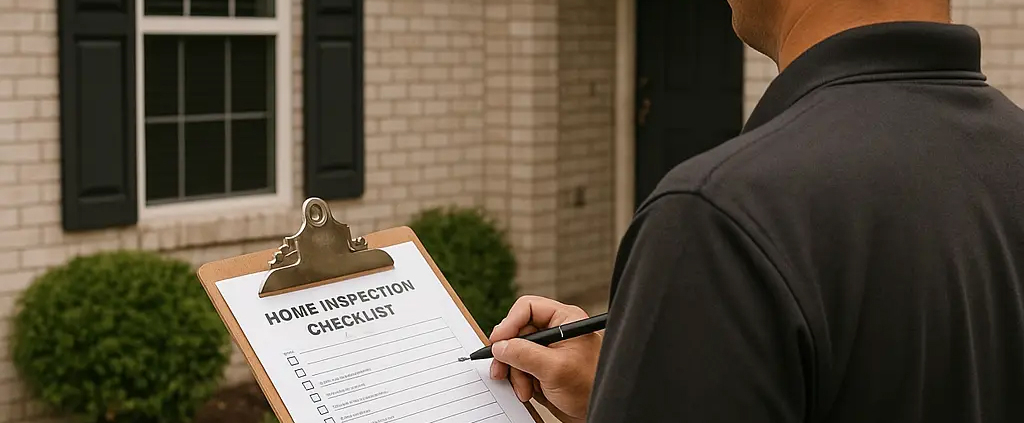
Home inspector inspecting a home in pittsburgh pa

When you’re buying a home, one of the most important steps in the process is the home inspection. Think of it as a comprehensive health checkup for the property—except instead of checking blood pressure and cholesterol, it’s checking for roof leaks, plumbing issues, and structural concerns.

At Clarity Home Inspections, your trusted Pittsburgh area home inspector, we know how crucial it is for you to understand exactly what you’re getting into before signing on the dotted line. So, what is included in a home inspection? Let’s break it down, top to bottom.


1. Roof

Your home’s roof is its first line of defense against the elements. During an inspection, we examine:

  • Roof coverings (shingles, tiles, etc.)

  • Gutters and downspouts

  • Flashing, vents, skylights, and chimneys

  • Roof penetrations and overall structure

A damaged or aging roof can lead to costly repairs, so this is one area you definitely want thoroughly assessed.


2. Attic, Insulation, and Ventilation

An often-overlooked space, the attic plays a major role in energy efficiency and home comfort. We look for:

  • Proper insulation coverage

  • Adequate ventilation to prevent moisture buildup

  • Crawl spaces and exhaust systems

Good insulation and ventilation are key for reducing energy bills and avoiding mold growth.


3. Exterior

From the curb to the back deck, we evaluate:

  • Siding and trim

  • Windows and exterior doors

  • Walkways, stairs, patios, decks, and driveways

  • Drainage and water management

The goal here is to spot any wear, damage, or water intrusion issues that could escalate over time.


4. Basement, Foundation, Crawlspace, and Structure

A strong foundation supports a safe home. We check for:

  • Cracks or structural movement

  • Signs of water penetration

  • Crawlspace conditions

In Pittsburgh, with our varied soil types and older homes, this part of the inspection is absolutely essential.


5. Cooling System

Summers in the Pittsburgh area can be muggy. That’s why our inspection covers:

  • The central cooling unit

  • Thermostat placement and operation

  • Energy source and overall condition

We ensure your A/C system is ready to handle the heat.


6. Heating System

Equally important for our chilly winters, the heating system inspection includes:

  • Furnace or boiler health

  • Thermostat operation

  • Energy source and method of heat delivery

We help ensure you stay warm and safe when temperatures drop.


7. Fireplace

Who doesn’t love a cozy fire in winter? But a fireplace can also be a safety hazard. We assess:

  • Fireplace structure and chimneys

  • Damper doors and lintels

  • Cleanout doors and frames

Our job is to make sure that beautiful hearth is also safe and functional.


8. Plumbing

From water pressure to leaks, our plumbing inspection is hands-on and thorough. We look at:

  • Main water shut-off valves

  • Water heater and supply lines

  • Sinks, tubs, showers, drains, and vents

We’re on the lookout for corrosion, leaks, and proper installation—things you don’t want to discover the hard way.


9. Electrical System

Electrical issues can be dangerous if not caught early. We check:

  • Service panels, grounding, and conductors

  • Switches, outlets, AFCI/GFCI protection

  • Smoke and carbon monoxide detectors

Safety is our top priority in this area, especially in older Pittsburgh homes where wiring may be outdated.


10. Doors, Windows, and Interior

Lastly, we inspect the interior’s overall condition, including:

  • Windows and doors

  • Floors, ceilings, and walls

  • Stairs, railings, and garage doors

This part ties the whole inspection together and gives you a full-picture view of the home’s livability and safety.


Why Hire a Pittsburgh Area Home Inspector?

Scheduling with a Pittsburgh area home inspector like Clarity Home Inspections means getting peace of mind from a local expert who understands the unique challenges of homes in this region—from foundation issues due to freeze-thaw cycles to century-old plumbing systems.

We go beyond the checklist to offer honest insights, clear communication, and comprehensive reports—so you can move forward with confidence.

Always feel free to reach out if you have any questions regarding what exactly is included in your next home inspection.

When it comes to buying or selling a home, maximizing property value is often at the forefront of everyone’s mind. One tool often overlooked in the process is the home inspection. While typically associated with real estate transactions, home inspections can also play a critical role in improving and maintaining property value over time. So, can home inspections actually help boost your property’s worth? Let’s explore.


What Is a Home Inspection?

A home inspection is a comprehensive assessment of a property’s condition conducted by a licensed professional. The inspector evaluates the structure, systems, and safety of the home, covering everything from the foundation to the roof. Home inspections are usually ordered by prospective buyers during a transaction, but proactive homeowners can also benefit greatly from scheduling periodic home inspections.


How Home Inspections in Pittsburgh Impact Property Value

1. Identifying Issues Before They Escalate

Over time, even minor issues in a home can snowball into major problems. A cracked foundation, leaky roof, or outdated electrical wiring might not be immediately noticeable but can cause serious damage if left unchecked. Regular home inspections can uncover these problems early, saving you money on repairs and ensuring that your home remains in good condition—a key factor in maintaining property value.

2. Enhancing Buyer Confidence

When selling a home, providing a recent home inspection report can be a significant advantage. A clean bill of health from a professional inspector shows potential buyers that the property has been well-maintained. This transparency can make buyers feel more confident in their investment and reduce the chances of price negotiations or deal breakouts.

3. Prioritizing Renovations and Upgrades

An inspection can help you understand which areas of your home need attention. This is particularly valuable if you’re planning renovations to increase your property’s value. Instead of blindly updating rooms or replacing systems, you can focus on areas with the most significant impact on your home’s overall marketability—such as repairing structural issues, upgrading plumbing, or improving energy efficiency.

4. Meeting Local Code Requirements

Some homes, especially older ones, may not meet current building codes. An inspection can highlight areas that need updating to comply with regulations. Ensuring your home is up to code not only improves safety but also increases its appeal to buyers who may otherwise be deterred by the risk of noncompliance.


Proactive Home Inspections: A Smart Investment

Many homeowners wait for buyers to order an inspection, but proactive inspections can offer a competitive edge in the market. Here’s why:

  • Avoid Last-Minute Surprises: Unanticipated issues discovered during a buyer-initiated inspection can delay or derail a sale.
  • Negotiate From a Stronger Position: Addressing problems in advance allows you to list your home confidently and stand firm on your asking price.
  • Demonstrate Responsibility: A proactive approach shows buyers that you’ve taken good care of the property, increasing trust and perceived value.

Maximizing Value Beyond the Inspection

After the inspection, homeowners can take actionable steps to maximize their property value:

  1. Make Necessary Repairs: Fixing issues identified in the inspection report can prevent future damage and make the property more attractive.
  2. Invest in Energy-Efficient Upgrades: Features like solar panels, modern HVAC systems, and energy-efficient windows can increase both appeal and appraised value.
  3. Boost Curb Appeal: While inspections focus on structural and system integrity, don’t forget the power of first impressions. Fresh landscaping, a new coat of paint, and clean gutters can make a big difference.
Termites in a Pittsburgh area home

Termites are small, elusive pests that can cause significant damage to homes, often without homeowners realizing it until it’s too late. A termite home inspection is an essential step in identifying and preventing these destructive insects from compromising the structural integrity of your property. In this article, we’ll dive into what a termite inspection entails, why it’s crucial, and the best times to schedule one.


What Is a Termite Home Inspection?

A termite home inspection is a professional evaluation of your property to detect signs of termite activity or damage. Licensed pest control inspectors conduct these inspections, using their expertise to locate infestations that might otherwise go unnoticed.

During the inspection, professionals typically examine:

  • Interior areas such as walls, baseboards, and attics.
  • Exterior zones like the foundation, eaves, and surrounding soil.
  • Wooden structures, including decks, fences, and any other features made of wood.

Inspectors are trained to look for telltale signs of termites, such as:

  • Mud tubes along walls or foundations.
  • Piles of discarded wings near windows or doors.
  • Hollow-sounding wood.
  • Frass (termite droppings) that resemble sawdust.

Why Are Termite Inspections Important?

Termites are often referred to as “silent destroyers” because they chew through wood, flooring, and even wallpaper, often leaving little visible evidence of their presence. Over time, their activity can cause extensive damage that is costly to repair.

Here’s why a termite inspection is vital:

  1. Protects Your Investment: For homeowners, termites can reduce property value significantly if left untreated.
  2. Saves Money: Early detection can prevent thousands of dollars in repair costs.
  3. Meets Legal Requirements: Many states require termite inspections during the sale or purchase of a home.
  4. Prevents Structural Damage: Identifying termites early ensures the integrity of your home remains intact.

When Should You Schedule a Termite Inspection?

Knowing when to schedule a termite inspection can save you headaches down the line. Here are key scenarios where an inspection is necessary:

1. When Buying or Selling a Home

  • Homebuyers often require a termite clearance letter to proceed with the purchase.
  • Sellers may schedule a termite inspection to address any issues before listing the property, ensuring a smooth transaction.

2. After Spotting Warning Signs

  • If you notice mud tubes, damaged wood, or swarms of insects near your home, schedule an inspection immediately.

3. Annually or Semi-Annually

  • Experts recommend routine inspections once or twice a year, particularly if you live in a region prone to termites.

4. After a Renovation

  • If you’ve recently added new wooden structures to your home, it’s wise to check for potential termite vulnerabilities.

5. During Termite Season

  • Termite swarming season, typically spring and summer, is an ideal time to have an inspection done as this is when termites are most active.

How to Choose a Qualified Termite Inspector

Not all pest control services are created equal. To ensure a thorough inspection:

  • Verify Credentials: Choose a licensed and certified pest control company.
  • Read Reviews: Look for companies with positive customer feedback.
  • Ask About Experience: An inspector with years of experience will likely catch signs others might miss.
  • Request a Detailed Report: A good inspector will provide a comprehensive report with findings and recommendations.

What Happens If Termites Are Found?

If termites are detected during an inspection, the pest control company will recommend a treatment plan. This may include:

  • Soil treatments to create a barrier around your home.
  • Baiting systems to eliminate the colony.
  • Wood treatments to protect exposed wooden structures.

Taking swift action after a positive inspection can minimize damage and protect your home from further infestations.

Pittsburgh area home inspections

Key Home Inspection Tips for First-Time Buyers

1. Hire a Qualified Home Inspector

Choosing a qualified and experienced home inspector is critical. You want someone who knows what to look for and will give you an honest, thorough assessment.

2. Be Present for the Inspection

It’s highly recommended that you attend the home inspection, even if it’s not required. Being there allows you to:

  • Ask questions: You can ask the inspector to explain their findings in real-time. If something is unclear, you can get immediate clarification.
  • See issues firsthand: Photos in the report are helpful, but nothing beats seeing an issue for yourself. You can better understand the severity and location of problems.
  • Learn about the house: Inspectors often provide tips on how to maintain the home and its systems. This information is invaluable for first-time homeowners.

3. Prepare a Checklist of Questions

Going into the inspection with a checklist ensures you don’t forget any important areas. Some things to ask the inspector about include:

  • The roof: Are there any signs of leaks, missing shingles, or other damage?
  • Foundation: Are there cracks or shifts that could signal structural issues?
  • Plumbing: Is there any evidence of leaks or corrosion in pipes, and how is the water pressure?
  • Electrical systems: Are the wiring and outlets safe and up to code?
  • Heating and cooling systems: Are the furnace and air conditioning units functioning properly?
  • Windows and doors: Do they open and close easily, and are there any signs of drafts?

4. Focus on Major Issues

During an inspection, it’s easy to get caught up in the small stuff, like chipped paint or a broken light switch. But what really matters are the major issues that could affect the home’s safety or require costly repairs. These include:

  • Structural problems: Foundation cracks, sagging roofs, or uneven floors could be signs of serious structural damage.
  • Electrical hazards: Outdated wiring, overloaded circuits, or improper grounding can pose fire risks.
  • Plumbing concerns: Leaks, water pressure issues, or water damage can lead to mold or high repair costs.
  • Pest infestations: Termites or other pests can cause extensive damage to the home’s structure if not dealt with.

Cosmetic issues are easy to fix and should not be deal-breakers, but major issues could require further negotiations or even reconsidering the purchase.

5. Get a Specialized Inspection if Necessary

While general home inspectors are knowledgeable about many aspects of a home, some areas may require a more specialized inspection. Depending on the home’s age, location, and condition, you might want to consider:

  • Radon inspection: Radon is a radioactive gas that can seep into homes, especially in certain regions. Testing is relatively inexpensive and can prevent health risks.
  • Mold inspection: If the inspector suspects water damage or high humidity, it might be worth testing for mold to avoid long-term health issues.
  • Pest inspection: If there are signs of termites, carpenter ants, or other pests, a separate pest inspection can help assess the extent of the problem.

6. Read the Inspection Report Thoroughly

After the inspection, you’ll receive a detailed report with the inspector’s findings, often including photos and recommendations. It’s essential to review this report carefully. Look for:

  • Summary of major issues: Most reports will list significant concerns at the beginning. These are the issues that may require attention before moving forward.
  • Minor issues: Many small problems will likely show up in the report. While you don’t need to worry about every detail, it’s good to be aware of any minor repairs you may want to tackle after moving in.
  • Recommended repairs: The inspector might suggest specific repairs or further evaluation from a specialist.
Pittsburgh area home dryer safety tips

Dryer vent safety is a crucial aspect of home maintenance that is often overlooked. A neglected dryer vent can lead to increased energy costs, appliance wear and tear, and even fire hazards. Here’s everything you need to know about dryer vent safety.

The Importance of Dryer Vent Safety

Dryer vents play a critical role in removing moisture and lint from your clothes dryer. When these vents are clogged or improperly maintained, it can lead to severe consequences, including:

  • Fire Hazards: Lint is highly flammable. According to the U.S. Fire Administration, clogged dryer vents are a leading cause of dryer fires, accounting for thousands of incidents annually.
  • Reduced Efficiency: Blocked vents force your dryer to work harder, increasing energy consumption and wear on the appliance.
  • Mold and Mildew: Moisture buildup from poor venting can lead to mold and mildew growth, posing health risks and damaging your home.

Do’s of Dryer Vent Safety

1. Regular Cleaning

Clean your dryer vent at least once a year, or more frequently if you use your dryer often. Remove lint from the lint trap after every load. For thorough cleaning, use a vent cleaning brush to remove lint from the vent pipe.

2. Use Proper Venting Material

Ensure your dryer venting system is made from rigid or semi-rigid metal ducts. Avoid using plastic or foil accordion-type ducts, as they can easily trap lint and are more prone to kinks and crushing.

3. Check the Vent Cover

Regularly inspect the exterior vent cover to ensure it opens freely and is not obstructed by debris or nesting animals. A clear vent cover allows proper air flow and prevents backdrafts.

4. Professional Inspections

Schedule regular inspections with professionals like Clarity Home Inspections. We have the expertise and tools to identify potential issues and ensure your dryer vent system is up to code and functioning correctly.

5. Install a Lint Alert System

Consider installing a lint alert system that monitors your dryer’s airflow and alerts you when it’s time to clean the vent. These systems can help you stay proactive about dryer vent maintenance.

Don’ts of Dryer Vent Safety

1. Don’t Ignore Warning Signs

If your clothes take longer than usual to dry, or if the dryer becomes excessively hot, these could be signs of a clogged vent. Don’t ignore these warnings; address them immediately to prevent potential hazards.

2. Avoid Long or Twisted Ducts

Keep the duct as short and straight as possible. Long, twisted ducts with multiple turns can trap lint and reduce airflow, increasing the risk of blockages and fires.

3. Don’t Vent Indoors

Never vent your dryer indoors. This practice can lead to excess moisture in your home, causing mold growth and poor air quality. Always vent your dryer to the outside.

4. Don’t Overload Your Dryer

Overloading your dryer can cause it to overheat and increase lint buildup. Follow the manufacturer’s guidelines for load size to ensure safe and efficient operation.

5. Avoid DIY Fixes for Major Issues

While regular cleaning can be done by homeowners, significant issues such as vent repairs or re-routing should be handled by professionals. DIY fixes can sometimes do more harm than good.

Pittsburgh home inspector

Buying a home in the Pittsburgh area can be an exciting yet daunting process. Whether you’re eyeing a charming historic home in Squirrel Hill or a modern townhouse in the Strip District, a thorough home inspection is a crucial step. A good home inspector will help you understand the condition of the property and identify any potential issues. To make the most of this process, here are some essential questions to ask your home inspector.

1. What does your inspection cover?

Before the inspection begins, it’s important to understand what the inspector will be looking at. A comprehensive inspection should cover the home’s major systems and components, including the roof, foundation, electrical, plumbing, HVAC, and more. Ask for a detailed list of what will be inspected to ensure there are no surprises.

2. Can I see a sample report?

Seeing a sample report can give you a good idea of what to expect in terms of detail and format. A clear, well-organized report with photos and explanations is invaluable. It can help you understand any issues found and decide how to address them.

3. Are you licensed and insured?

In Pennsylvania, home inspectors must be licensed and meet certain standards of practice. Ensure your inspector has the necessary credentials and ask for proof of insurance. This protects you in case something goes wrong during the inspection.

4. How long have you been inspecting homes in the Pittsburgh area?

Experience matters, especially when it comes to understanding the specific issues that can affect homes in Pittsburgh. An inspector with local experience will be familiar with common problems such as basement water intrusion or the impact of Pittsburgh’s seasonal weather on home structures.

5. Can I attend the inspection?

Being present during the inspection is highly recommended. It allows you to see any issues firsthand and ask questions on the spot. A good inspector will welcome your presence and explain their findings as they go along.

6. What are the most significant issues you typically find in this area?

Local knowledge is key. Pittsburgh has unique housing characteristics, such as older homes with potential lead paint or radon issues. Understanding common problems in the area can help you be more informed about what to look out for.

7. How much will the inspection cost?

While cost shouldn’t be the sole deciding factor, it’s important to know what you’ll be paying. Get a clear quote upfront and ask if there are any additional fees for services like radon testing or sewer line inspections.

8. How long will the inspection take?

A thorough home inspection typically takes a few hours. Knowing the expected duration can help you plan your schedule accordingly. If the inspection seems too short, it might be a red flag indicating a rushed job.

9. Can you provide references?

A reputable home inspector should have no problem providing references from past clients. Speaking with previous customers can give you insight into the inspector’s professionalism and thoroughness.

10. What should I do if there are issues found?

No home is perfect, and inspections often uncover some issues. Ask the inspector how severe these issues are and what your next steps should be. They can often recommend specialists for further evaluation or repair estimates.

11. Do you offer any warranties or guarantees?

Some inspectors offer limited warranties on certain aspects of their inspection. While not all inspectors provide this, it can be an added layer of protection for you as a buyer.

12. Will you provide a follow-up or re-inspection if needed?

Sometimes, sellers agree to make repairs based on the inspection report. It’s worth asking if the inspector can do a follow-up visit to ensure these repairs were completed correctly.

Pittsburgh Home in Summer

Summer in Pittsburgh is marked by warm temperatures and occasionally severe weather, including thunderstorms and heavy rains. These conditions pose various risks to homes, from water damage due to storms to wear and tear from the heat. To ensure your home remains safe and sound throughout the season, here are some practical tips to prevent damage during the summer months.

1. Inspect and Repair Your Roof

Start with the part of your home that takes the brunt of weather conditions: the roof. Winter snow and spring rains can leave your roof in less-than-perfect condition. Check for missing, loose, or damaged shingles and replace them. Inspect the flashing around chimneys and vents to ensure there are no gaps for water to seep through.

2. Clean and Secure Gutters and Downspouts

Ensure that your gutters are free of debris such as leaves, twigs, and other blockages. Clogged gutters can cause water to overflow, leading to damage on your siding, foundation, or basement. Make sure the downspouts direct water at least three feet away from your foundation to prevent any potential water damage.

3. Check Your Home’s Foundation

Inspect your home’s foundation for cracks or signs of movement. These can become entry points for water during heavy rains. Seal any cracks with appropriate caulk or sealant. Additionally, ensure the soil around your foundation slopes away from your home to prevent water pooling, which can lead to moisture penetration into your basement or crawl spaces.

4. Maintain Your Air Conditioning System

Before the peak of summer heat, service your air conditioning unit. Change or clean the filters, check for any leaks, and ensure the system runs efficiently. This not only prevents breakdowns during hot weather but also helps in reducing your energy bills by improving energy efficiency.

5. Trim Trees and Shrubs

Overhanging branches can pose a risk during storms as they might break and fall, damaging your roof or windows. Trim back any branches that hang too close to your house. Additionally, keeping shrubs and trees well-trimmed enhances airflow and reduces moisture buildup around your home’s exterior, which can discourage mold and mildew growth.

6. Seal Windows and Doors

Check the seals around windows and doors. Any gaps can allow hot air in and cool air out, which significantly decreases your home’s energy efficiency. Sealing these gaps with weather stripping or caulk not only prevents this but also stops water from entering during a storm.

7. Prepare for Emergencies

Have an emergency preparedness plan in place. This should include checking that all smoke detectors and carbon monoxide detectors are working, having a family emergency communication plan, and preparing an emergency kit with essential items like water, non-perishable food, flashlights, batteries, and first aid supplies.

8. Consider Smart Home Investments

Invest in smart home technology such as water leak detectors or smart thermostats. These devices can help monitor your home and prevent major damage by alerting you to water leaks or allowing you to control your home’s temperature remotely, which can prevent overheating and related damages.

As always, if you want to ensure the best quality of your home then schedule a home inspection with us today!

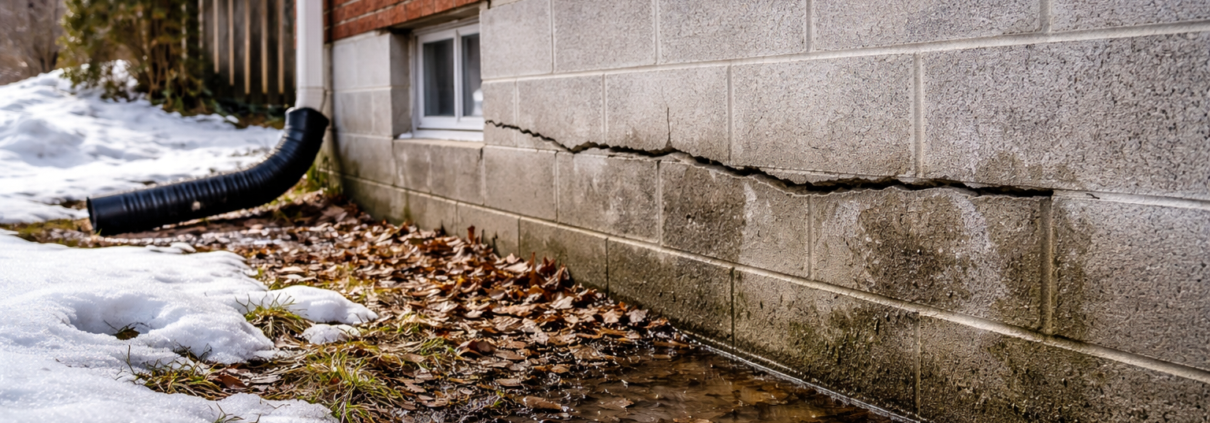
If you’re a homeowner in the Pittsburgh area, you’re likely familiar with the quirks and charms of owning property in this historic and geographically diverse region. From stunning views of the Allegheny and Monongahela rivers to the unique architecture dotting the city, Pittsburgh homes have a lot to offer. However, they also face a range of challenges, particularly when it comes to maintaining the integrity of their structures. One issue that often catches homeowners by surprise is step cracking in masonry and brickwork. But what exactly is step cracking, and why should Pittsburgh residents be especially vigilant about it?

What Is Step Cracking?

Step cracking is a type of structural damage that appears in masonry or brick walls. It manifests as a series of horizontal and vertical cracks that resemble steps. This pattern typically follows the mortar joints between bricks or blocks, creating a zigzag pattern. While some cracks in a home are purely aesthetic concerns, step cracking can signal deeper structural issues, particularly when they widen over time or appear alongside other signs of distress in a building.

Causes of Step Cracking

Several factors can lead to step cracking, but in the Pittsburgh area, the most common causes include:

  • Soil movement: Pittsburgh’s varied topography and weather can lead to soil expansion and contraction beneath foundations, putting pressure on walls.
  • Temperature fluctuations: The region’s distinct seasons and temperature shifts can cause materials to expand and contract, leading to cracks.
  • Water infiltration: Pittsburgh’s notable rainfall can lead to water seeping into walls, freezing, and causing cracks as it expands.
  • Aging structures: Many of Pittsburgh’s homes are historical and may experience natural settling and aging, which can contribute to step cracking.

How Step Cracking Affects Your Home

Step cracking isn’t just an eyesore; it can have significant implications for your home:

  • Water Damage: Cracks can allow water to infiltrate, leading to mold, mildew, and structural rot.
  • Structural Integrity: Over time, unchecked step cracking can undermine the structural integrity of walls, leading to more serious issues.
  • Insulation Problems: Cracks can lead to drafts and increased energy bills by compromising the insulation of your home.
  • Resale Value: Visible structural damage can deter potential buyers and affect the resale value of your home.

Addressing Step Cracking

If you notice step cracking in your Pittsburgh home, it’s important to address it promptly:

  1. Inspection: Have a professional inspect the cracks to determine their severity and underlying cause.
  2. Repair: Depending on the cause, repairs may range from simple repointing of mortar to more extensive structural interventions.
  3. Prevention: Consider preventative measures such as improving drainage around your home, installing foundation supports, or addressing any identified issues contributing to soil movement.
© Copyright Clarity Home Inspection | Website by Spectora | Privacy Policy