Tag Archive for: home inspection in pittsburgh

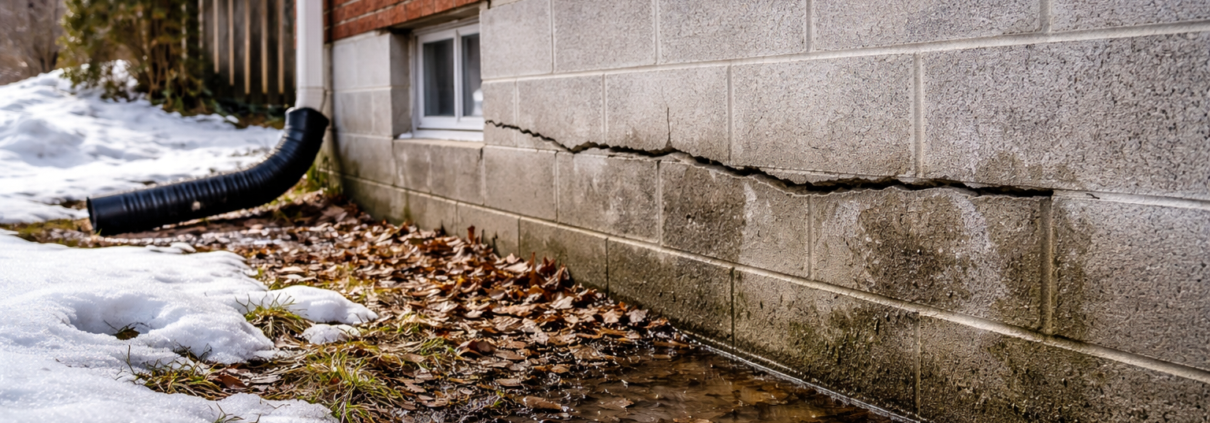
Cracked foundation on a Pittsburgh area home

If you live in the Pittsburgh area, you already know winter does not arrive in one clean, simple stretch. It freezes. Then it warms up. Then it rains. Then it freezes again. And by the time late winter turns into early spring, the ground around your house has usually been through that cycle over and over.

That matters more than a lot of homeowners realize.

Freeze thaw weather is rough on roads, sidewalks, retaining walls, and masonry. It is rough on foundations too. The basic reason is simple. Water gets into small openings in soil, concrete, masonry, and around the perimeter of a home. When that water freezes, it expands. The repeated freezing and thawing can widen cracks, shift pressure in the surrounding ground, and slowly turn a small weakness into a larger structural issue. The U.S. Geological Survey describes freeze thaw weathering in almost those exact terms, noting that water filling fractures or pores can freeze, expand, and continue widening cracks over time.

For homeowners in Western Pennsylvania, this is not just a theory from a geology textbook. Pittsburgh homes sit in a region with real weather swings, steady precipitation, winter snow, and terrain that often complicates drainage. NOAA climate normals for Pittsburgh International Airport show about 39.61 inches of annual precipitation and 44.1 inches of annual snowfall. Those same normals show winter and shoulder season temperatures that regularly hover around freezing, with average January and February lows below 32 degrees and March and November still cool enough to keep freeze related ground movement in play.

That combination is exactly why foundation issues in this area often start with water and get worse with time.

At Clarity Home Inspections, this is one of the reasons a careful inspection matters so much. Homeowners often assume foundation problems show up dramatically, with huge wall cracks or obvious failure. Sometimes that happens. But more often, the early signs are smaller and easier to miss. A slightly sticking door. A crack that keeps returning after patching. Dampness in a basement corner. Water that seems to pool in the same spot every winter and spring. Those details can tell you a lot before the damage becomes expensive.

This article walks through how freeze thaw cycles affect foundations in the Pittsburgh area, why local conditions make the problem worse, and what homeowners should watch for before small issues become bigger repair projects.

Why freeze thaw weather is hard on foundations

A foundation does not usually fail because of one cold night. Damage tends to build slowly.

The pattern usually starts with moisture. Water may collect against the foundation because of poor grading, short downspouts, clogged gutters, compacted snow, heavy rain, or saturated soil. Once water is present, freezing temperatures change the equation. As water freezes, it expands. That expansion can increase pressure inside cracks and in the soil against the exterior wall. When temperatures rise, the ice melts, the pressure changes, and the cycle starts over again the next time temperatures drop. Over time, repeated movement can open cracks wider, allow more water in, and increase the amount of stress placed on foundation walls.

The ground around the house matters just as much as the concrete or masonry itself. Soil that gets wet and then freezes can heave upward or push laterally. When it thaws, it can settle back unevenly. That movement does not always happen uniformly around the home. One side may stay wetter because of roof runoff. One corner may be colder because of shade. One wall may have backfill that settles differently than the rest. Uneven soil movement is one of the reasons freeze thaw damage can show up as diagonal cracking, wall bowing, floor slope changes, or doors and windows that no longer operate smoothly.

This is also why drainage is such a big deal. The National Association of Home Builders notes that site grading should direct surface water away from the foundation, and references a standard minimum final grade of 5 percent, or a drop of about 6 inches within the first 10 feet, unless drains or swales are used. Penn State Extension also advises reducing soil moisture near a structure by directing runoff away from the foundation, including with gutters, downspouts, and French drains where appropriate.

In other words, freeze thaw damage is rarely just a cold weather problem. It is a moisture management problem first, and a winter stress problem second.

Why this matters so much in the Pittsburgh area

Every region has its own version of foundation risk. In the Pittsburgh area, the risk is shaped by weather, hillsides, older housing stock, and local geology.

NOAA climate data shows Pittsburgh gets meaningful precipitation throughout the year, not just in one season. Summer is wet. Winter is wet. Spring is wet. Snow is part of the picture, but so are rainy stretches and thaw periods that leave the ground saturated. Pittsburgh also averages 44.1 inches of snowfall, which means plenty of opportunities for snowmelt around foundation edges, especially when warmer daytime temperatures follow a freeze.

The timing of freezing weather matters too. The National Weather Service Pittsburgh office said in an April 2026 climate briefing that, on average, the last sub freezing day in the region falls in late April to early May, and its weather story page says average last freeze dates vary from about April 22 to May 6 depending on where you live. That is important because it means freeze risk lingers well into spring, right when snowmelt and seasonal rain are often keeping the soil wet.

Then there is the ground itself. Pittsburgh area geology is not simple. Allegheny County materials describe local rocks as alternating layers of sandstone, shale, and coal. USGS work on landsliding in Allegheny County notes that slope instability is closely tied to rock types, layering, fracturing, permeability of rocks and soils, water seeps, and slope steepness. Another geologic source describing the vicinity of Pittsburgh notes precipitation in the range of about 35 to 45 inches per year along with thick soil cover and interbedded strong and weak sedimentary rocks. Together, those factors help explain why water movement and slope behavior are such recurring concerns in this region.

That does not mean every Pittsburgh house is in danger of major structural movement. But it does mean homeowners here should take drainage, basement moisture, retaining walls, and foundation cracks seriously. The area gives water a lot of opportunities to cause trouble.

Older homes add another layer. Many Pittsburgh area houses were built decades ago. Some have stone foundations. Some have older block or poured concrete walls. Some have had partial repairs over the years, mixed drainage upgrades, patched cracks, replacement downspouts, or basement finishing that can hide evidence. In those houses, freeze thaw problems often do not look new. They look like an old issue that slowly got worse.

What freeze thaw damage actually looks like

A lot of people picture one giant foundation crack running across a basement wall. That can happen, but it is not the only sign.

Sometimes freeze thaw damage starts with small vertical or stair step cracking in masonry. Sometimes it appears as a horizontal crack caused by pressure from saturated soil outside the wall. Sometimes the first visible clue is not in the foundation at all. It is upstairs, where drywall begins cracking near doors and windows because the structure is moving slightly.

HUD inspection standards note that cracked foundations can indicate potential structural failure and specifically mention that issues such as windows and doors not opening or closing can be characteristics of foundation damage. The standards also flag foundation cracks meeting certain size thresholds as deficiencies significant enough to require correction.

In real homes, that means signs often show up in clusters. You may notice one or more of these at the same time:

Cracks in foundation walls or mortar joints. Repeated freeze thaw cycling can widen existing weak points, especially where water is already entering.

Basement dampness or seepage. Moisture intrusion often comes before more obvious structural signs. InterNACHI notes that water intrusion can begin with small cracks that gradually widen and allow groundwater to seep in.

Sticking exterior doors or interior doors that suddenly rub. Slight movement in framing can change the shape of openings enough to affect operation.

Windows that are harder to latch or no longer sit square in the frame. That can point to settlement or racking movement.

Floor slope changes. Sometimes homeowners notice this as furniture sitting unevenly or a rolling object drifting across the floor.

Cracks above doorways or around window corners. These can be from ordinary movement in some homes, but when they are widening or appearing alongside other symptoms, they deserve more attention.

Bowing or leaning basement walls. This is one of the more serious signs and can indicate sustained lateral pressure from surrounding soil and moisture.

Efflorescence, flaking, or surface deterioration on basement walls. While not always structural by itself, it often signals chronic moisture movement through the wall.

Exterior drainage problems. Pooling water, downspouts that discharge too close to the house, settled backfill, and negative grading are not cosmetic issues. They are often part of the cause.

The key point is this: foundation problems are usually not diagnosed by one isolated sign. They are identified by patterns.

The signs Pittsburgh homeowners should pay the most attention to

Because local homes often deal with winter moisture, hillside lots, and older materials, some warning signs deserve extra attention.

The first is recurring water in the basement. If you get damp corners, seepage at the cove joint, musty smells after winter storms, or visible water after snowmelt, do not treat that as normal just because the basement is old. Moisture is one of the main drivers that makes freeze thaw damage worse. Penn State Extension specifically recommends keeping runoff away from the structure to reduce soil moisture near the foundation.

The second is horizontal cracking or inward bowing. Vertical cracks can sometimes be related to shrinkage or modest settlement. Horizontal cracks often suggest lateral soil pressure, which is more concerning. Wet soil, freezing temperatures, and repeated cycles of expansion can all add stress to foundation walls over time. When a wall is not just cracked but moving inward, that usually needs closer evaluation.

The third is stair step cracking in block or brick. This can point to differential settlement or movement in masonry walls. In a Pittsburgh house, especially one with drainage problems outside, that pattern deserves context. Is the crack old and stable, or freshly widening? Is there displacement? Is there water staining nearby? Is there exterior grading or runoff evidence above that area?

The fourth is separation that keeps coming back after cosmetic repair. If a basement crack has been patched repeatedly and continues to reopen, the crack is usually not the main problem. The movement is.

The fifth is a pattern of operation changes in the house. One sticking door is not always a structural problem. But one sticking door, a window that will not latch, and a new drywall crack near a corner all happening together tell a different story.

The last one is drainage failure around the home exterior. This gets ignored all the time. Yet site drainage is often the cheapest place to intervene before major repairs are needed. NAHB guidance points out that proper grading should carry surface water away from the foundation, and EPA related building guidance also emphasizes sloping final grade away from the house and managing roof water discharge away from the structure.

What an inspection can reveal that a casual walk through misses

Homeowners often notice symptoms, but not the pattern behind them. That is where a thorough inspection helps.

A good inspection is not just about spotting cracks. It is about connecting the visible signs to probable causes. For example, a crack in a basement wall means one thing if the downspout above it dumps water one foot from the house. It means something else if the wall is dry, stable, and has no displacement. A slightly sloped floor means one thing in a century old house with no active cracking and something else if it appears next to new wall movement and moisture intrusion.

In a Pittsburgh area home, a careful inspection should look at the structure as a system. That includes visible foundation walls, grading, downspout discharge, signs of settlement, basement moisture, exterior hardscape slope, retaining wall conditions, and how the house sits on the lot.

That matters for buyers and sellers alike.

For buyers, foundation issues are one of the most expensive categories of surprises after closing. The problem is not just the repair bill. It is also the uncertainty. Some cracks are minor. Some indicate movement. Some signal ongoing water management problems that will keep producing damage until the drainage issues are corrected. An inspection helps separate the cosmetic from the significant.

For sellers, catching these problems early can prevent a deal from getting derailed at the worst possible time. Sometimes the most helpful thing a seller can do is address drainage and document the work before listing. A cleaner moisture story and a stable foundation story are easier for buyers to understand.

For current homeowners, inspections are useful even if you are not moving. Freeze thaw damage builds gradually. The sooner you identify contributing conditions, the more options you usually have.

What homeowners can do before next winter

Not every foundation issue is preventable, but many moisture related triggers can be reduced.

Start outside. Make sure gutters are clean and working. Confirm downspouts discharge well away from the house. Look at the soil along the foundation line after a rain. If water sits there, that is a problem. Check whether mulch beds or landscaping have built up against siding or reduced the amount of exposed foundation. Review sidewalks, patios, and driveways near the home to see whether they slope water toward the structure instead of away from it.

Then move to the basement or crawl space. Look for staining, white mineral deposits, damp smells, rust at lower metal components, peeling paint on masonry, and any crack that appears to have changed over time. Pay attention to seasonal patterns. If issues appear mainly in late winter and spring, that is useful information.

Also think about the lot as a whole. On sloped Pittsburgh properties, runoff may be coming from uphill areas, neighboring lots, or retaining wall systems rather than from your roof alone. In that case, the fix may involve broader drainage planning.

What you do not want to do is rely on cosmetic cover ups. Fresh paint, new paneling, or a bead of sealant over a crack does not tell you whether the underlying movement has stopped.

When to stop monitoring and get help

Homeowners often ask where the line is between watch it and act now.

That line gets crossed when you see active movement, repeated moisture intrusion, wall displacement, widening cracks, or multiple symptoms appearing together.

A few examples. If a basement wall is bowing inward, do not just watch it for another winter. If a crack has visible offset, that is more serious than a hairline mark. If doors and windows are changing operation along with new cracking, that deserves attention. If you are seeing basement seepage after storms or snowmelt, especially in the same location every time, that should be evaluated. HUD standards specifically connect cracked foundations and operation problems at doors and windows with possible structural compromise.

And if you are buying a home and notice any of these signs, that is exactly when experienced home inspectors Pittsburgh buyers trust can add real value. The goal is not to create fear. It is to get a clearer picture of condition, likely cause, and what further evaluation may or may not be warranted.

Why local experience matters

Foundation concerns are always easier to understand when the inspector knows the region.

Pittsburgh homes are not just generic houses in a cold climate. They sit in a place with steep grades, variable drainage, older neighborhoods, winter moisture, and geology that can make water behavior less predictable. Allegheny County and USGS materials both point to how strongly slope, permeability, seep conditions, rock layering, and human changes to the site can affect ground stability in this area.

That local context matters because the same crack can mean different things on different lots. A small settlement crack in a flat, dry setting is one story. A similar crack in a damp hillside basement with runoff issues is another.

That is why many homeowners look for pittsburgh area home inspection services that understand local conditions, not just a checklist. You want someone who knows what winter moisture does here, how common older masonry issues can look, and when site drainage may be the real driver behind what is showing up indoors.

The bottom line

Freeze thaw cycles damage foundations in a slow, repetitive way. Water gets in. Temperatures swing. Pressure changes. Soil moves. Cracks widen. Moisture finds new paths. And year by year, what started as a manageable issue can become a major repair.

In the Pittsburgh area, that process is especially important because the region gets steady precipitation, regular snowfall, late season freezes, and terrain that often makes drainage harder to control. NOAA data shows Pittsburgh averages nearly 40 inches of annual precipitation and more than 44 inches of annual snowfall. The National Weather Service also shows freeze risk extending well into spring in this region. Add in local hillsides and layered geology, and it is easy to see why foundations deserve close attention here.

The good news is that foundation issues usually leave clues before they become catastrophic. Cracks, seepage, sticking doors, sloping floors, bowing walls, and poor drainage patterns are all signs worth taking seriously. A careful inspection can help you understand whether you are looking at ordinary age related wear, an active moisture problem, or something that needs further structural evaluation.

For homeowners, buyers, and sellers, that clarity matters. It helps you make better decisions, protect the house, and avoid guessing.

If you are seeing any of those warning signs, working with home inspectors pittsburgh homeowners rely on can give you a much clearer picture of what is happening and what deserves your next step.

Home inspector inspecting a Pittsburgh area home roof with shingles and a hard hat

If you own a home in the Pittsburgh area, your roof takes a beating. Between heavy rain, snow, ice, wind, humidity, and sudden temperature swings, it goes through a lot more than most homeowners realize. And yet, roof inspections are one of the most commonly overlooked parts of home maintenance.

A lot of people assume you only need to look at your roof when there is an obvious problem. A leak. Missing shingles. Water stains on the ceiling. By the time you see those signs, damage has often been building for a while.

So how often should you actually get your roof inspected in the Pittsburgh area? The short answer is more often than you might think. The longer answer depends on your roof type, the age of your home, recent weather, and whether you are planning to sell or buy.

This guide walks through everything you need to know, from recommended inspection schedules to why local conditions matter so much here in western Pennsylvania.

Why roof inspections matter more in the Pittsburgh area

Roofs in this region deal with unique challenges. Pittsburgh weather is unpredictable and sometimes unforgiving. Winters bring snow, ice dams, and freeze thaw cycles that stress roofing materials. Spring comes with heavy rain and wind. Summers can be humid and hot, which accelerates wear. Fall brings debris, leaves, and clogged gutters.

All of that adds up. Small roofing issues that might stay minor in other regions can turn into serious problems here if they go unnoticed.

Regular roof inspections help catch issues early, before they turn into leaks, mold growth, or structural damage. They also help extend the life of your roof, protect your home’s value, and prevent expensive repairs down the line.

For homeowners working with experienced Pittsburgh area home inspectors, inspections are not about finding faults for the sake of it. They are about understanding the condition of your roof and making informed decisions.

General recommendation for roof inspections

For most homes in the Pittsburgh area, a professional roof inspection is recommended at least once a year.

Annual inspections allow inspectors to monitor gradual wear and tear and spot early warning signs. This schedule works well for many homeowners, especially if the roof is relatively new and has not had major issues in the past.

However, in practice, many homes benefit from more frequent inspections depending on certain factors. In this region, twice a year inspections are often ideal.

Spring and fall inspections make sense for Pittsburgh homes

Many local inspectors recommend roof inspections in the spring and fall.

Spring inspections focus on identifying damage caused by winter weather. Snow accumulation, ice dams, and freezing temperatures can loosen shingles, crack flashing, and damage seals. Spring is the time to see what winter left behind.

Fall inspections prepare your roof for winter. Inspectors look for loose materials, clogged gutters, and areas where water could back up once snow and ice arrive. Addressing these issues before winter can prevent leaks and ice dam formation.

This twice yearly approach is especially helpful for older roofs or homes that have experienced past roofing problems.

How roof age affects inspection frequency

The age of your roof plays a big role in how often it should be inspected.

Newer roofs, typically under five years old, usually do not require as much attention. Annual inspections are often sufficient unless there has been severe weather or visible damage.

Roofs between five and fifteen years old should be watched more closely. Materials naturally begin to break down over time. Inspections every year are essential, and some homeowners choose to schedule them twice a year as a preventative measure.

Older roofs, especially those approaching the end of their expected lifespan, should be inspected at least twice a year. At this stage, small issues can escalate quickly. Regular inspections help homeowners plan repairs or replacements instead of being caught off guard.

Impact of roofing materials on inspection needs

Different roofing materials age differently and respond to Pittsburgh weather in unique ways.

Asphalt shingles are the most common roofing material in the area. They typically last between twenty and thirty years, depending on quality and maintenance. Asphalt roofs should be inspected annually at a minimum. As they age, more frequent inspections are smart.

Metal roofs tend to be more durable and resistant to weather damage, but they still need regular inspections. Fasteners, seams, and flashing can loosen over time. Annual inspections are usually enough, with additional checks after major storms.

Slate and tile roofs are long lasting but not maintenance free. Individual tiles can crack or shift. Because repairs are more specialized, early detection through inspections is especially important. Annual inspections are recommended.

Flat or low slope roofs, often found on additions or older homes, require more frequent inspections. Water pooling and drainage issues are common. These roofs should be inspected at least twice a year.

Weather events that call for immediate inspection

Beyond regular schedules, certain events should trigger an immediate roof inspection.

Severe storms are a big one. High winds can lift or remove shingles. Heavy rain can expose weak spots. Hail can damage roofing materials in ways that are not always visible from the ground.

After major snowstorms or ice events, inspections are also important. Ice dams can cause water to back up under shingles and into the home. Even if you do not see leaks right away, damage may already be present.

If you notice any signs of trouble, such as water stains, missing shingles, sagging areas, or debris on the ground, it is time to call a professional. Waiting rarely makes things better.

Roof inspections when buying or selling a home

Roof inspections are critical during real estate transactions in the Pittsburgh area.

For buyers, a roof inspection provides peace of mind and helps avoid unexpected repair costs after closing. Even if a general home inspection is performed, a dedicated roof inspection can uncover issues that may otherwise be missed.

For sellers, pre listing roof inspections can be a smart move. Identifying and addressing issues ahead of time can prevent delays, renegotiations, or deal breaking surprises.

Clarity Home Inspections works with homeowners, buyers, and sellers across the Pittsburgh area to provide clear, honest assessments that help people make informed decisions.

What happens during a professional roof inspection

A professional roof inspection goes beyond a quick look from the ground.

Inspectors examine roofing materials for signs of wear, cracking, curling, or missing pieces. They check flashing around chimneys, vents, and skylights. Gutters and downspouts are evaluated for proper drainage.

The roof structure is also considered. Inspectors look for sagging areas or signs of moisture intrusion. In some cases, attic spaces are examined to check for ventilation issues, insulation problems, or water damage.

The goal is not just to find problems but to understand how the roof is performing as a system.

Why DIY inspections are not enough

Many homeowners try to inspect their roofs themselves. While it is good to stay observant, DIY inspections have limits.

From the ground, it is difficult to see subtle issues. Walking on the roof can be dangerous and may cause damage if done incorrectly. Without training, it is easy to miss early signs of trouble.

Professional inspectors have experience, proper safety equipment, and a trained eye. They know what to look for and how local weather patterns affect roofs in the Pittsburgh area.

Common roof issues found in Pittsburgh inspections

Over time, inspectors in this region see the same types of problems again and again.

Shingle deterioration is common due to temperature swings and moisture exposure. Flashing failures often occur around chimneys and valleys. Poor attic ventilation leads to moisture buildup and shortens roof lifespan.

Ice dam related damage shows up frequently, especially on homes with inadequate insulation or ventilation. Clogged gutters contribute to water backup and fascia damage.

Regular inspections help catch these issues early, before they require major repairs.

How inspections save money in the long run

Some homeowners put off inspections because they see them as an unnecessary expense. In reality, inspections often save money.

Catching a small flashing issue is far cheaper than repairing water damage inside your home. Addressing ventilation problems early can extend the life of your roof by years. Preventing leaks helps avoid mold remediation and structural repairs.

For Pittsburgh homeowners, regular roof inspections are an investment in the long term health of their home.

How often should you schedule roof inspections

So what does this mean in practical terms?

For most Pittsburgh area homes, schedule a professional roof inspection at least once a year.

If your roof is older, has had past issues, or is exposed to heavy tree cover or severe weather, consider inspections in both spring and fall.

Always schedule an inspection after major storms or if you notice signs of damage.

If you are buying or selling a home, include a roof inspection as part of the process.

Working with trusted Pittsburgh area home inspectors makes this process straightforward and stress free.

Why local experience matters

Not all roof inspections are the same. Inspectors who understand Pittsburgh’s climate, housing styles, and common construction practices bring valuable insight.

Clarity Home Inspections focuses on providing clear, thorough roof inspections tailored to local conditions. Their experience in roof inspections Pittsburgh homeowners rely on helps ensure nothing important is overlooked.

Local knowledge matters when it comes to identifying issues specific to this area and recommending appropriate next steps.

Final thoughts for Pittsburgh homeowners

Your roof protects everything beneath it. It is easy to forget about until something goes wrong, but regular inspections help keep small problems from becoming big ones.

In the Pittsburgh area, weather alone makes roof inspections especially important. Annual inspections are a good baseline, with more frequent checks depending on age, material, and conditions.

If you are unsure about the current state of your roof, or if it has been more than a year since your last inspection, it is probably time to schedule one.

Working with experienced professionals gives you clarity and confidence, whether you are maintaining your current home or preparing for a real estate transaction.

Pittsburgh area home

Selling a home in Pittsburgh’s vibrant and competitive real estate market can feel like navigating the winding streets of Mount Washington—full of twists, turns, and breathtaking moments. Whether your property is a historic brick row house in Lawrenceville or a modern gem in Moon Township, ensuring your home is in top shape is key to maximizing its value and appeal. One of the smartest moves you can make as a home seller? Investing in a pre-listing home inspection.

In this article, we’ll explore how a pre-listing inspection can save you time, stress, and money, while giving you a competitive edge in the Pittsburgh area housing market.

What Is a Pre-Listing Home Inspection?

A pre-listing home inspection is exactly what it sounds like: a professional examination of your home’s condition conducted before you put it on the market. Unlike a buyer’s inspection, which occurs after an offer is made, a pre-listing inspection gives you a chance to identify and address potential issues upfront.

A licensed home inspector will evaluate everything from the roof to the foundation, checking major systems like electrical, plumbing, HVAC, and more. You’ll receive a detailed report highlighting areas that may need repair or maintenance.

Why It Matters in Pittsburgh’s Real Estate Market

The Pittsburgh Area’s real estate market is diverse, and homes here can come with unique quirks, especially if they’re older properties in neighborhoods like Squirrel Hill or Coraopolis. Buyers in this market are savvy, and many will request their own inspections. By getting ahead of the game, you can sidestep potential deal-breakers and make your home more attractive to buyers.

Let’s dive into the specific benefits of a pre-listing home inspection.


1. Enhance Buyer Confidence

Trust is everything in real estate. Buyers are more likely to make strong offers when they feel confident about a property’s condition. By sharing a pre-listing inspection report, you demonstrate transparency and a commitment to full disclosure. This can make buyers feel at ease, knowing there won’t be any unpleasant surprises after they sign on the dotted line.

Moreover, this proactive step can set your home apart in a crowded market, giving buyers fewer reasons to hesitate or negotiate aggressively.


2. Identify and Address Issues Early

Imagine you’ve found a motivated buyer, but their inspection uncovers a costly issue—like a leaky roof or outdated wiring. Now, you’re facing either expensive last-minute repairs or a potential deal falling through.

A pre-listing inspection allows you to identify these issues early and fix them on your terms. Whether it’s hiring a contractor for repairs or simply adjusting your asking price, you maintain control over the situation.

For Pittsburgh area homes, where older properties may have hidden problems (like aging sewer lines or foundation cracks), this proactive approach is invaluable.


3. Streamline the Selling Process

Time is of the essence when selling a home. Scheduling a pre-listing home inspection can help you avoid delays caused by post-offer negotiations or buyer-requested repairs. By addressing issues upfront, you can keep the sales process moving smoothly.

Additionally, providing a clean inspection report can help prevent buyers from using minor issues as leverage to lower their offer. This is particularly useful in Pittsburgh’s fast-paced neighborhoods, where buyers often compete for homes.


4. Boost Your Home’s Market Value

A well-maintained, move-in-ready home commands higher offers. When you’ve already tackled repairs and maintenance, your property stands out as a low-risk, high-reward option for buyers.

Consider this: If your home’s inspection reveals no major issues, buyers may be willing to pay closer to your asking price—or even above it in competitive situations. In hot Pittsburgh markets like Robinson Township, PA or the South Side, this could mean the difference between a quick sale and a prolonged negotiation.


5. Leverage Inspection Findings as a Selling Point

Not all inspection results are bad news. Sometimes, they highlight your home’s strengths—like a new roof, updated plumbing, or energy-efficient windows. You can use these findings as selling points in your listing and during showings.

For example:
“Recent pre-listing inspection available! This home features a brand-new HVAC system and a recently replaced roof, ensuring years of worry-free living.”

In a competitive market, these details can make your home stand out and attract serious buyers.


6. Reduce Stress and Surprises

Selling a home is stressful enough without the added anxiety of unexpected inspection results. A pre-listing inspection provides peace of mind, allowing you to address issues calmly and thoughtfully before buyers enter the picture.

Knowing exactly what to expect means fewer surprises and smoother negotiations. For Pittsburgh sellers, this can be especially comforting given the city’s mix of older and newer homes.

Pittsburgh area home inspections

Key Home Inspection Tips for First-Time Buyers

1. Hire a Qualified Home Inspector

Choosing a qualified and experienced home inspector is critical. You want someone who knows what to look for and will give you an honest, thorough assessment.

2. Be Present for the Inspection

It’s highly recommended that you attend the home inspection, even if it’s not required. Being there allows you to:

  • Ask questions: You can ask the inspector to explain their findings in real-time. If something is unclear, you can get immediate clarification.
  • See issues firsthand: Photos in the report are helpful, but nothing beats seeing an issue for yourself. You can better understand the severity and location of problems.
  • Learn about the house: Inspectors often provide tips on how to maintain the home and its systems. This information is invaluable for first-time homeowners.

3. Prepare a Checklist of Questions

Going into the inspection with a checklist ensures you don’t forget any important areas. Some things to ask the inspector about include:

  • The roof: Are there any signs of leaks, missing shingles, or other damage?
  • Foundation: Are there cracks or shifts that could signal structural issues?
  • Plumbing: Is there any evidence of leaks or corrosion in pipes, and how is the water pressure?
  • Electrical systems: Are the wiring and outlets safe and up to code?
  • Heating and cooling systems: Are the furnace and air conditioning units functioning properly?
  • Windows and doors: Do they open and close easily, and are there any signs of drafts?

4. Focus on Major Issues

During an inspection, it’s easy to get caught up in the small stuff, like chipped paint or a broken light switch. But what really matters are the major issues that could affect the home’s safety or require costly repairs. These include:

  • Structural problems: Foundation cracks, sagging roofs, or uneven floors could be signs of serious structural damage.
  • Electrical hazards: Outdated wiring, overloaded circuits, or improper grounding can pose fire risks.
  • Plumbing concerns: Leaks, water pressure issues, or water damage can lead to mold or high repair costs.
  • Pest infestations: Termites or other pests can cause extensive damage to the home’s structure if not dealt with.

Cosmetic issues are easy to fix and should not be deal-breakers, but major issues could require further negotiations or even reconsidering the purchase.

5. Get a Specialized Inspection if Necessary

While general home inspectors are knowledgeable about many aspects of a home, some areas may require a more specialized inspection. Depending on the home’s age, location, and condition, you might want to consider:

  • Radon inspection: Radon is a radioactive gas that can seep into homes, especially in certain regions. Testing is relatively inexpensive and can prevent health risks.
  • Mold inspection: If the inspector suspects water damage or high humidity, it might be worth testing for mold to avoid long-term health issues.
  • Pest inspection: If there are signs of termites, carpenter ants, or other pests, a separate pest inspection can help assess the extent of the problem.

6. Read the Inspection Report Thoroughly

After the inspection, you’ll receive a detailed report with the inspector’s findings, often including photos and recommendations. It’s essential to review this report carefully. Look for:

  • Summary of major issues: Most reports will list significant concerns at the beginning. These are the issues that may require attention before moving forward.
  • Minor issues: Many small problems will likely show up in the report. While you don’t need to worry about every detail, it’s good to be aware of any minor repairs you may want to tackle after moving in.
  • Recommended repairs: The inspector might suggest specific repairs or further evaluation from a specialist.
Pittsburgh home inspector

Buying a home in the Pittsburgh area can be an exciting yet daunting process. Whether you’re eyeing a charming historic home in Squirrel Hill or a modern townhouse in the Strip District, a thorough home inspection is a crucial step. A good home inspector will help you understand the condition of the property and identify any potential issues. To make the most of this process, here are some essential questions to ask your home inspector.

1. What does your inspection cover?

Before the inspection begins, it’s important to understand what the inspector will be looking at. A comprehensive inspection should cover the home’s major systems and components, including the roof, foundation, electrical, plumbing, HVAC, and more. Ask for a detailed list of what will be inspected to ensure there are no surprises.

2. Can I see a sample report?

Seeing a sample report can give you a good idea of what to expect in terms of detail and format. A clear, well-organized report with photos and explanations is invaluable. It can help you understand any issues found and decide how to address them.

3. Are you licensed and insured?

In Pennsylvania, home inspectors must be licensed and meet certain standards of practice. Ensure your inspector has the necessary credentials and ask for proof of insurance. This protects you in case something goes wrong during the inspection.

4. How long have you been inspecting homes in the Pittsburgh area?

Experience matters, especially when it comes to understanding the specific issues that can affect homes in Pittsburgh. An inspector with local experience will be familiar with common problems such as basement water intrusion or the impact of Pittsburgh’s seasonal weather on home structures.

5. Can I attend the inspection?

Being present during the inspection is highly recommended. It allows you to see any issues firsthand and ask questions on the spot. A good inspector will welcome your presence and explain their findings as they go along.

6. What are the most significant issues you typically find in this area?

Local knowledge is key. Pittsburgh has unique housing characteristics, such as older homes with potential lead paint or radon issues. Understanding common problems in the area can help you be more informed about what to look out for.

7. How much will the inspection cost?

While cost shouldn’t be the sole deciding factor, it’s important to know what you’ll be paying. Get a clear quote upfront and ask if there are any additional fees for services like radon testing or sewer line inspections.

8. How long will the inspection take?

A thorough home inspection typically takes a few hours. Knowing the expected duration can help you plan your schedule accordingly. If the inspection seems too short, it might be a red flag indicating a rushed job.

9. Can you provide references?

A reputable home inspector should have no problem providing references from past clients. Speaking with previous customers can give you insight into the inspector’s professionalism and thoroughness.

10. What should I do if there are issues found?

No home is perfect, and inspections often uncover some issues. Ask the inspector how severe these issues are and what your next steps should be. They can often recommend specialists for further evaluation or repair estimates.

11. Do you offer any warranties or guarantees?

Some inspectors offer limited warranties on certain aspects of their inspection. While not all inspectors provide this, it can be an added layer of protection for you as a buyer.

12. Will you provide a follow-up or re-inspection if needed?

Sometimes, sellers agree to make repairs based on the inspection report. It’s worth asking if the inspector can do a follow-up visit to ensure these repairs were completed correctly.

Pittsburgh Home in Summer

Summer in Pittsburgh is marked by warm temperatures and occasionally severe weather, including thunderstorms and heavy rains. These conditions pose various risks to homes, from water damage due to storms to wear and tear from the heat. To ensure your home remains safe and sound throughout the season, here are some practical tips to prevent damage during the summer months.

1. Inspect and Repair Your Roof

Start with the part of your home that takes the brunt of weather conditions: the roof. Winter snow and spring rains can leave your roof in less-than-perfect condition. Check for missing, loose, or damaged shingles and replace them. Inspect the flashing around chimneys and vents to ensure there are no gaps for water to seep through.

2. Clean and Secure Gutters and Downspouts

Ensure that your gutters are free of debris such as leaves, twigs, and other blockages. Clogged gutters can cause water to overflow, leading to damage on your siding, foundation, or basement. Make sure the downspouts direct water at least three feet away from your foundation to prevent any potential water damage.

3. Check Your Home’s Foundation

Inspect your home’s foundation for cracks or signs of movement. These can become entry points for water during heavy rains. Seal any cracks with appropriate caulk or sealant. Additionally, ensure the soil around your foundation slopes away from your home to prevent water pooling, which can lead to moisture penetration into your basement or crawl spaces.

4. Maintain Your Air Conditioning System

Before the peak of summer heat, service your air conditioning unit. Change or clean the filters, check for any leaks, and ensure the system runs efficiently. This not only prevents breakdowns during hot weather but also helps in reducing your energy bills by improving energy efficiency.

5. Trim Trees and Shrubs

Overhanging branches can pose a risk during storms as they might break and fall, damaging your roof or windows. Trim back any branches that hang too close to your house. Additionally, keeping shrubs and trees well-trimmed enhances airflow and reduces moisture buildup around your home’s exterior, which can discourage mold and mildew growth.

6. Seal Windows and Doors

Check the seals around windows and doors. Any gaps can allow hot air in and cool air out, which significantly decreases your home’s energy efficiency. Sealing these gaps with weather stripping or caulk not only prevents this but also stops water from entering during a storm.

7. Prepare for Emergencies

Have an emergency preparedness plan in place. This should include checking that all smoke detectors and carbon monoxide detectors are working, having a family emergency communication plan, and preparing an emergency kit with essential items like water, non-perishable food, flashlights, batteries, and first aid supplies.

8. Consider Smart Home Investments

Invest in smart home technology such as water leak detectors or smart thermostats. These devices can help monitor your home and prevent major damage by alerting you to water leaks or allowing you to control your home’s temperature remotely, which can prevent overheating and related damages.

As always, if you want to ensure the best quality of your home then schedule a home inspection with us today!

If you’re a homeowner in the Pittsburgh area, you’re likely familiar with the quirks and charms of owning property in this historic and geographically diverse region. From stunning views of the Allegheny and Monongahela rivers to the unique architecture dotting the city, Pittsburgh homes have a lot to offer. However, they also face a range of challenges, particularly when it comes to maintaining the integrity of their structures. One issue that often catches homeowners by surprise is step cracking in masonry and brickwork. But what exactly is step cracking, and why should Pittsburgh residents be especially vigilant about it?

What Is Step Cracking?

Step cracking is a type of structural damage that appears in masonry or brick walls. It manifests as a series of horizontal and vertical cracks that resemble steps. This pattern typically follows the mortar joints between bricks or blocks, creating a zigzag pattern. While some cracks in a home are purely aesthetic concerns, step cracking can signal deeper structural issues, particularly when they widen over time or appear alongside other signs of distress in a building.

Causes of Step Cracking

Several factors can lead to step cracking, but in the Pittsburgh area, the most common causes include:

  • Soil movement: Pittsburgh’s varied topography and weather can lead to soil expansion and contraction beneath foundations, putting pressure on walls.
  • Temperature fluctuations: The region’s distinct seasons and temperature shifts can cause materials to expand and contract, leading to cracks.
  • Water infiltration: Pittsburgh’s notable rainfall can lead to water seeping into walls, freezing, and causing cracks as it expands.
  • Aging structures: Many of Pittsburgh’s homes are historical and may experience natural settling and aging, which can contribute to step cracking.

How Step Cracking Affects Your Home

Step cracking isn’t just an eyesore; it can have significant implications for your home:

  • Water Damage: Cracks can allow water to infiltrate, leading to mold, mildew, and structural rot.
  • Structural Integrity: Over time, unchecked step cracking can undermine the structural integrity of walls, leading to more serious issues.
  • Insulation Problems: Cracks can lead to drafts and increased energy bills by compromising the insulation of your home.
  • Resale Value: Visible structural damage can deter potential buyers and affect the resale value of your home.

Addressing Step Cracking

If you notice step cracking in your Pittsburgh home, it’s important to address it promptly:

  1. Inspection: Have a professional inspect the cracks to determine their severity and underlying cause.
  2. Repair: Depending on the cause, repairs may range from simple repointing of mortar to more extensive structural interventions.
  3. Prevention: Consider preventative measures such as improving drainage around your home, installing foundation supports, or addressing any identified issues contributing to soil movement.
A pittsburgh home inspector

While many local homeowners understand the importance of a home inspection, certain areas tend to get overlooked during this process. These often-neglected areas can hide potential issues that might cost you in the long run if left unaddressed. In this article, we’ll shed light on Pittsburgh’s most frequently overlooked home inspection areas to help you make an informed decision when purchasing a property.

1. Crawl Spaces and Basements:

Pittsburgh’s diverse climate can lead to moisture problems, and these areas are particularly susceptible to mold, mildew, and water damage. A thorough inspection of crawl spaces and basements can uncover issues that might not be immediately visible, such as leaks, cracks, or foundation problems.

2. Chimneys and Fireplaces:

With Pittsburgh’s cold winters, fireplaces are often seen as a cozy feature. However, chimneys and fireplaces require regular maintenance and inspections to ensure they are safe and in proper working condition. Issues like creosote buildup, damaged flues, or improper ventilation can pose safety risks if overlooked.

3. Attics:

Attics are easily forgotten, but they can hide a multitude of issues. Inspecting the attic for signs of leaks, insulation problems, or pest infestations is essential. Proper insulation and ventilation are crucial in Pittsburgh to maintain energy efficiency and prevent ice dams on the roof during winter.

4. Electrical Systems:

While some homeowners may pay attention to visible electrical issues, a comprehensive electrical inspection should go beyond that. Checking the entire electrical system, including the panel, outlets, and wiring, can uncover safety hazards like outdated wiring, overloaded circuits, or faulty connections.

5. Plumbing:

Pittsburgh’s older homes often have outdated plumbing systems that can be prone to leaks, corrosion, and other issues. Inspecting pipes, fixtures, and drainage systems can prevent costly water damage down the road.

6. Exterior Drainage:

Proper drainage is crucial to prevent water from infiltrating your home’s foundation, especially in Pittsburgh’s hilly terrain. Checking the grading, downspouts, and drainage systems around the property is essential to keep your basement dry.

7. Radon Levels:

Pittsburgh is known for having elevated radon levels, which can pose a serious health risk. Radon is an odorless, colorless gas that seeps into homes through the ground. Testing for radon during a home inspection is vital to ensure your family’s safety.

8. HVAC Systems:

Heating and cooling systems should be thoroughly inspected to ensure they are in good working order. Pittsburgh’s varying temperatures throughout the year make a reliable HVAC system essential for comfort and energy efficiency.

9. Outdoor Structures:

If the property has outdoor structures such as decks, patios, or fences, don’t forget to inspect them as well. Ensure they are structurally sound and free from rot, decay, or pest damage.

For these reasons and more, it has never been more important to schedule a professional home inspection to ensure your home is safe and sound!

Home inspection around pittsburgh pa

If you’re a homeowner in the Steel City, you’re living in a place where every neighborhood brims with personality and history. But with Pittsburgh’s unique blend of old and new architecture, there come certain challenges, especially after a home inspection. Whether you’re nestled in a quaint Lawrenceville row house or perched on the slopes of Mount Washington, here are some of the most common repairs Pittsburgh homes need after an inspection.

Tending to Timeless Foundations

Pittsburgh’s rolling hills and rivers are picturesque, but they also mean that many homes are built on slopes, leading to potential foundation issues. After a home inspection, it’s not uncommon for Pittsburghers to face the need for foundation repairs, especially in older homes where time has allowed for some settling. Look out for telltale signs like uneven floors, cracked walls, or doors that won’t close properly.

Roofs That Weather the Weather

In Pittsburgh, where the weather can change faster than a Kennywood rollercoaster ride, roofs must withstand a lot. From the heavy snowfalls to the springtime downpours, Pittsburgh roofs take a beating. Post-inspection repairs often include replacing worn shingles or fixing leaky flashing. Regular roof maintenance can help, but sometimes, a full replacement is what it takes to keep your abode dry and cozy.

Historic Homes, Historic Plumbing

Charming as they are, the historic homes in neighborhoods like the Mexican War Streets or Shadyside come with plumbing that sometimes belongs in a museum. Galvanized pipes, common in older homes, are prone to corrosion and clogging. After a home inspection, replacing old pipes with copper or PEX can save you from a burst pipe turning your basement into an impromptu swimming pool.

The Fight Against Moisture and Mold

Our city’s love affair with rivers and humidity is a recipe for moisture issues in our homes. A home inspection can often reveal hidden mold or dampness lurking in basements or attics. Addressing these issues might involve installing dehumidifiers, improving ventilation, or waterproofing basements to keep the Yinzer spirit high and the mildew low.

Insulation: Keeping the Heat in the ‘Burgh

We Pittsburghers are hearty folk, but no one likes throwing money out the window, especially in the form of heat. Many Pittsburgh homes, especially the older, draftier ones, need better insulation. Post-inspection, it’s common to upgrade attic insulation or to seal gaps around windows and doors to keep your home toasty and your energy bills reasonable.

Electrical Upgrades for Modern Times

Homes in the ‘Burgh have character, and with that character comes the need for electrical system updates. It’s not unusual for a home inspection to uncover outdated electrical panels or wiring that isn’t up to code. To safely power our modern gadgets, updating the electrical system is a post-inspection must.

Aesthetic Updates After the Technicalities

Finally, once the structural and systemic issues are addressed, many homeowners opt for cosmetic updates. It could be refinishing hardwood floors worn down by generations of Pittsburgh families, or updating a kitchen that still feels like a set from “Mister Rogers’ Neighborhood.”

Whether you’re preparing to sell your Pittsburgh pad or settling into your forever home, paying attention to these common post-inspection repairs can ensure your house stands as strong as our city’s heritage. Remember, a well-maintained home is like a good neighbor — always there for you when you need it.

In Pittsburgh, our homes are as robust and full of life as our people. With a little care and regular maintenance, we can keep them standing proud and strong, come rain, shine, or Steelers game day.

A Pittsburgh home in Summer

As a homeowner, you know that no house is perfect. Every home, whether new or old, has its very own characteristics. And here in Pittsburgh, there are some common problems that I come across more often than not as a Pittsburgh Area home inspector.

Let’s take a closer look at what those issues might be and why they matter. Trust me; it’s not all doom and gloom! With the right knowledge, you can handle these issues like a pro.

1. Basement and Foundation Issues

With the type of soil and weather we have here in the ‘Burgh, foundation problems are not uncommon. Cracks, leaks, or even a slightly tilted foundation can cause serious structural problems. Keep an eye out for signs like uneven floors or doors that won’t close properly. And if you’re in doubt, don’t hesitate to call in a professional to take a look.

2. Aging Plumbing Systems

Pittsburgh’s rich history means many homes here have character – and sometimes, that character extends to aging plumbing. Corroded pipes, slow drains, or recurring leaks might be charming (not really), but they’re signs you need to investigate further.

3. Roofing Woes

Our beloved Pittsburgh weather can wreak havoc on roofs. I’ve seen more than my fair share of missing shingles, leaks, and poor ventilation.

4. Electrical Quirks

From outdated wiring to overloaded circuits, electrical problems are something I often come across. It’s a serious safety concern and something you should never attempt to fix yourself unless you’re a licensed electrician.

5. Energy Efficiency Challenges

Who doesn’t want to save a few bucks on their energy bills? But many homes in our area lack proper insulation and energy-efficient windows. While it might cost a bit upfront to fix these issues, the long-term savings are well worth it.

6. Pest Intruders

We all love nature, but no one likes unwanted guests in their home. Termites, ants, and even the occasional raccoon have been known to set up shop in Pittsburgh homes. Regular inspections and preventive measures can keep these pesky critters at bay.

Of course a great way to keep your Pittsburgh area home healthy is by hiring a professional home inspector to make sure everything is of top notch!

© Copyright Clarity Home Inspection | Website by Spectora | Privacy Policy