
Pre-Listing Inspections: Why More Pittsburgh Sellers Are Getting Inspected First
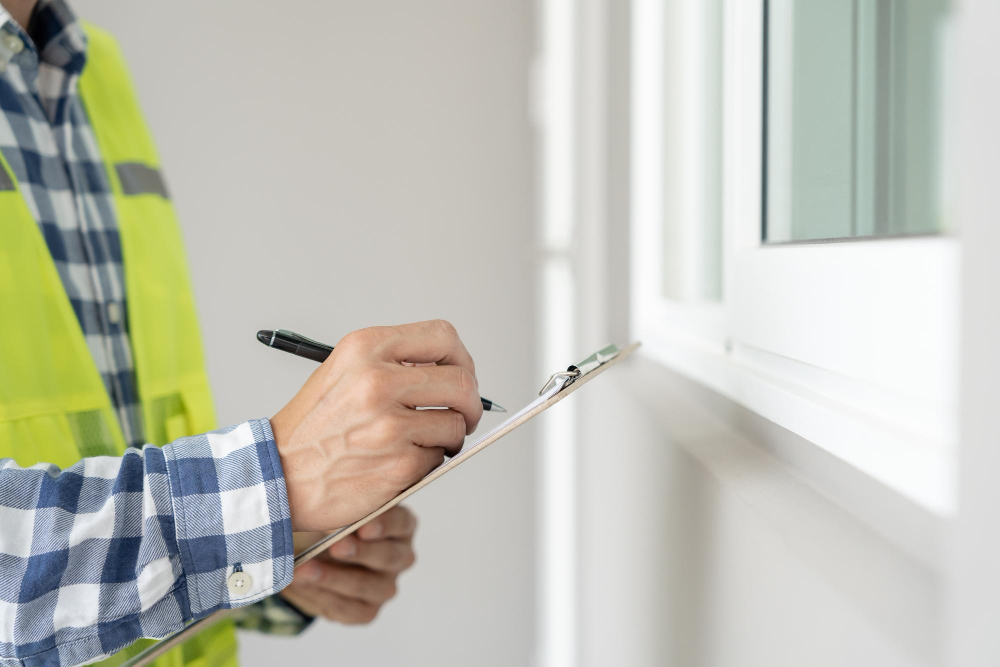
Most people think of a home inspection as something that happens after they’ve accepted an offer, when a buyer’s inspector shows up with a checklist and a flashlight. But a growing number of Pittsburgh sellers are flipping that timeline and getting their home inspected before it ever hits the market. If you’re trying to figure out why, or you’re weighing whether it’s worth the cost, this is exactly the kind of question we get asked at Clarity Home Inspection. As one of the home inspectors pittsburgh sellers and agents turn to for this, we’ve seen firsthand how a pre-listing inspection changes the way a sale plays out, often in ways that save both time and money.
The idea is simple. Instead of waiting for the buyer’s inspector to find problems after you’re already under contract, you hire an inspector to walk through the home first, on your own timeline, before a single showing happens. What you do with that information is up to you. But having it changes the entire negotiating position you’re in.
What a Pre-Listing Inspection Actually Is
A pre-listing inspection covers the same ground as a standard buyer’s inspection. The inspector walks the roof, exterior, foundation, electrical, plumbing, heating and cooling systems, and interior components, and documents anything that needs attention. The difference is who’s paying for it and when it happens. A buyer’s inspection happens after an offer is accepted, usually with a tight window built into the purchase agreement, and the report goes straight into negotiations. A pre-listing inspection happens weeks or months earlier, while the seller still has full control over what gets fixed, what gets disclosed, and how the home gets priced.
This distinction matters more than it might seem. When a buyer’s inspector finds a problem during the option period, sellers are often negotiating from a position of pressure. There’s a closing date on the calendar, the buyer has leverage, and the seller is choosing between a price reduction, a repair credit, or scrambling to find a contractor on short notice. A pre-listing inspection removes that time crunch entirely. If Clarity Home Inspection finds a plumbing issue or an aging roof during a pre-listing walkthrough, the seller has weeks to get quotes, decide whether to repair it themselves or price it into the listing, and move forward without a buyer watching the clock.
Why Pittsburgh’s Current Market Makes This Worth Considering
Market conditions play a real role in whether a pre-listing inspection makes sense, and Pittsburgh’s market right now is a good example of why more sellers are choosing to get ahead of the process. Recent data from Redfin shows homes in the Pittsburgh area are taking longer to sell than they were a year or two ago, with the typical home going under contract in roughly two months rather than the faster pace seen during the height of the pandemic buying surge. Homes are also generally receiving fewer competing offers than they did in the tightest years of the market.
That shift matters for sellers because it means buyers have more room to negotiate, more time to compare properties, and less urgency to overlook issues that come up during inspection. In a market where a seller might get three or four offers within days, a buyer with a long inspection punch list might get talked out of walking away. In a slower market, that same list can be enough for a buyer to ask for a significant credit, or to back out and move on to the next listing entirely. A pre-listing inspection lets a seller address the issues most likely to spook a buyer before that buyer ever sees the property, which matters a lot more when homes aren’t moving as fast as they used to.
This is also true at the neighborhood level here. Pittsburgh’s housing stock varies enormously from block to block, with older homes in city neighborhoods carrying very different risk profiles than newer construction in the suburbs. A pre-listing inspection gives a seller a clear, documented picture of exactly where their specific property stands, rather than relying on assumptions about what a typical Pittsburgh home might need.
Pennsylvania’s Disclosure Law and Why This Matters for Sellers
Pennsylvania takes seller disclosure seriously, and this is one of the more overlooked reasons a pre-listing inspection is worth the cost. Under Pennsylvania’s Real Estate Seller Disclosure Law, sellers are legally required to disclose known material defects to a buyer before the buyer signs an agreement of sale. A material defect is defined as a problem with the property that would have a significant adverse impact on its value or that creates an unreasonable risk to people on the land. This obligation belongs to the seller directly. It can’t be delegated to a real estate agent, and it doesn’t go away just because a buyer’s inspector might catch the same issue later.
The tricky part of this law is the phrase known material defects. Sellers aren’t required to hire an inspector or dig into every corner of the house before listing, but they are required to disclose what they actually know or reasonably should know. That creates a gray area for a lot of people. If you’ve lived in a home for years and never had a professional look closely at your electrical panel, your roof flashing, or the grading around your foundation, you may genuinely not know about a defect that a trained inspector would catch in an hour.
A pre-listing inspection closes that gap. It gives sellers a documented, professional record of the home’s condition, which makes completing the required disclosure statement far more accurate and far less stressful. It also protects sellers legally. If an issue shows up on your pre-listing inspection report and you disclose it honestly, you’ve satisfied your legal obligation and reduced your exposure to a fraud or misrepresentation claim down the road. Sellers who skip this step and simply hope nothing surfaces are taking on more legal risk than they may realize, especially in a state where buyers have real recourse when a known defect wasn’t disclosed.
What a Pre-Listing Inspection with Clarity Home Inspection Looks Like
When we do a pre-listing inspection, the process looks the same as any other Clarity Home Inspection walkthrough. We follow InterNACHI standards and go through the roof, exterior, structure, electrical, plumbing, heating and cooling systems, attic, insulation, and interior components with the same 100+ point process we use for buyer’s inspections. You get the same easy to read report, delivered within 24 hours, with more than 50 images documenting exactly what we found.
The difference is what happens next is entirely up to you. Sellers can choose to make repairs before listing, get contractor quotes to include in the disclosure so buyers see the cost is already accounted for, or simply price the home accordingly and disclose everything upfront. Some sellers use the report as a marketing tool, sharing it with prospective buyers and their agents to build trust from the very first showing. A home that comes with a clean, professional inspection report already in hand tends to move through negotiations faster, because the buyer’s side isn’t walking in blind and bracing for surprises.
We also hear from sellers who are specifically worried about older homes, and that worry is often well founded here. A lot of Pittsburgh housing stock predates modern electrical, plumbing, and drainage standards, and issues that seem minor on the surface, like an outdated panel or a basement that’s had a little water in the past, can turn into major sticking points if a buyer’s inspector finds them first without any context. Getting ahead of that with a pre-listing inspection means you’re the one framing the conversation, not reacting to someone else’s read of the situation.
The Financial Case for Getting Inspected First
The cost of a pre-listing inspection is small compared to what’s at stake in a home sale. Compared to the price of the average home, the fee is a minor expense, and it often pays for itself several times over by preventing the kind of last minute renegotiation that can cost sellers thousands of dollars in price reductions or repair credits.
Consider how this typically plays out without a pre-listing inspection. A seller lists the home, accepts an offer, and the buyer’s inspector finds an aging roof or a plumbing issue during the option period. At that point, the seller has three options, and none of them are great. They can lower the price, offer a credit, or scramble to find a contractor who can do the work fast enough to keep the deal alive, often paying a premium for the rush. Any of those outcomes costs more, in money or in stress, than simply knowing about the issue ahead of time and handling it on your own schedule.
There’s also the deal risk itself to think about. In a market where homes are taking longer to sell and buyers have more properties to choose from, a bad inspection surprise doesn’t just cost money. It can cost the deal entirely, sending the seller back to square one after weeks or months of being under contract. A pre-listing inspection dramatically reduces the odds of that happening, because the surprises get found and dealt with before a buyer is ever emotionally or financially invested in the property.
Is a Pre-Listing Inspection Right for Your Sale
Not every seller needs one. If you’ve recently had major systems replaced, you know the home well, and you’re confident there’s nothing hiding that would concern a buyer, you may decide the cost isn’t necessary. But for older homes, homes that have been owned by the same family for decades without much recent maintenance history, or properties in neighborhoods where drainage, grading, or aging infrastructure tend to be common concerns, a pre-listing inspection is one of the more straightforward ways to protect yourself going into a sale.
It’s also worth talking to your real estate agent about timing. A pre-listing inspection works best when there’s enough runway before your target listing date to actually act on what the report finds, whether that means scheduling repairs or simply getting ahead of your disclosure paperwork. Sellers who wait until the week before listing to schedule one lose some of the advantage, since there’s less time to do anything meaningful with the results.
Schedule Your Pre-Listing Inspection With Clarity Home Inspection
If you’re getting ready to list a home anywhere in Allegheny, Butler, Mercer, Beaver, Washington, Greene, Fayette, or Westmoreland County, a pre-listing inspection is one of the simplest ways to walk into your sale with confidence instead of guesswork. Clarity Home Inspection has built a reputation as one of the more thorough and straightforward home inspection services in the Pittsburgh area, and we’re happy to walk you through what a pre-listing inspection would look like for your specific property. Reach out to schedule your inspection and get your detailed report within 24 hours, so you can list with a clear picture of exactly what you’re selling.
Disclaimer:
The information provided in this blog is for general informational purposes only and should not be taken as professional advice. Every property and situation is unique, and readers should always consult a qualified professional for specific recommendations regarding their own home. Clarity Home Inspections LLC and its authors make no warranties about the completeness, reliability, or accuracy of the information provided. Any action you take based on the content of this article is strictly at your own risk.


Leave a Reply
Want to join the discussion?Feel free to contribute!