Tag Archive for: pre listing home inspection

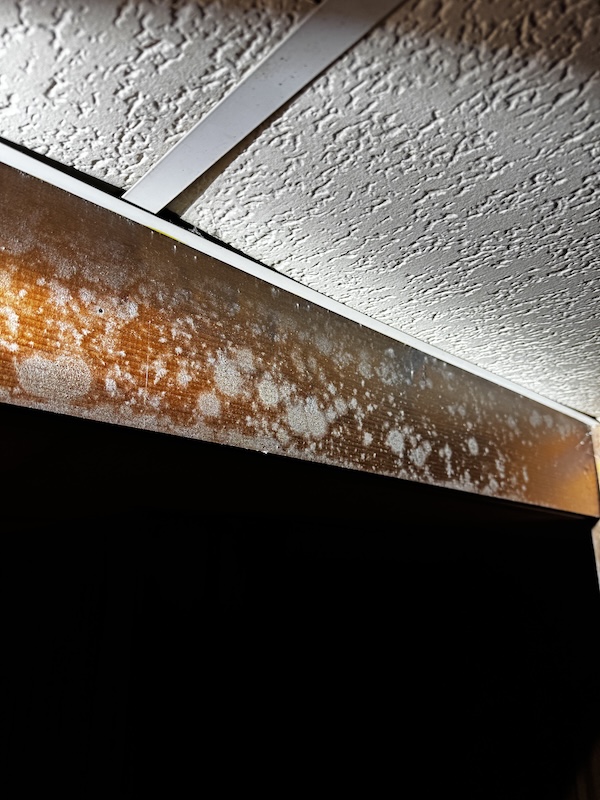
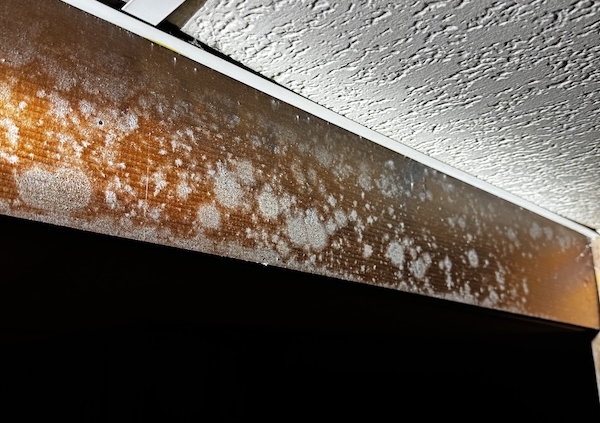
Mold found between ceiling tiles and a floor joist

Mold is not always hiding behind drywall, under flooring, or inside a wall cavity. Sometimes it is right in front of you.

The problem is that it does not always look like what people expect.

On a recent inspection, there were areas of wood that looked mostly normal under typical room lighting. At a quick glance, someone could easily walk past them without thinking twice. But when the surface was viewed more closely and illuminated from a different angle, the condition became much more obvious.

The difference between “looks fine” and “this needs a closer look” was not a special machine.

It was the inspection process.
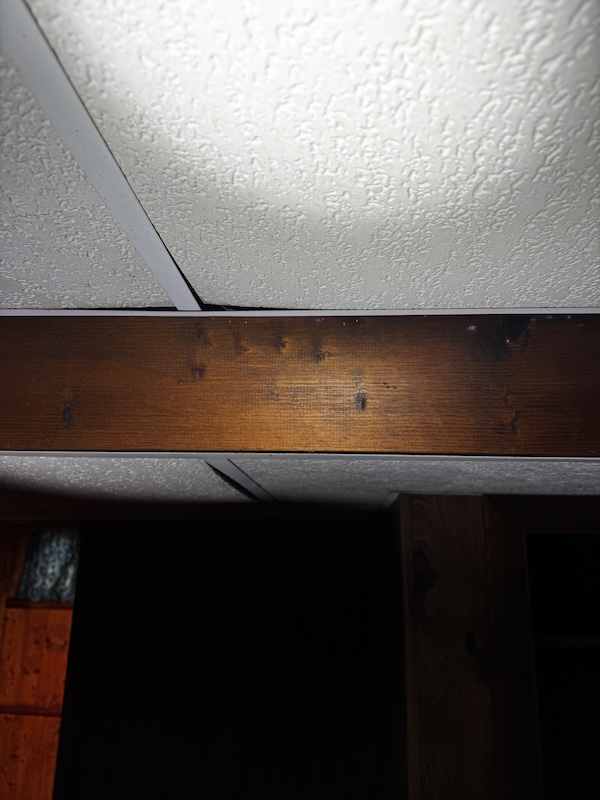
Mold found between ceiling tiles

Mold found between ceiling tiles and a floor joist

What looked normal at first

In the first photo, the wood surface appears relatively clean. There are some variations in the finish and coloration, but nothing that immediately screams “problem.”

That is exactly why conditions like this can be missed.

A home inspection is not just about standing in the middle of a room and looking around.

An experienced inspector changes perspective.

We get closer.

We change the lighting.

We look across surfaces instead of directly at them.

We compare one area to another.

And we ask why something looks different.

When the same wood was illuminated more aggressively from an angle, widespread surface growth became much easier to see.

The other photos show the same type of condition on structural wood framing. Under direct lighting, what could have blended into the wood finish becomes a much more distinct pattern of light-colored surface growth.

That is mold hiding in plain sight.

We do not let defects find us

This is one of the most important parts of how we inspect homes at Clarity.

A good inspection should not depend on luck.

We do not simply walk through a property waiting for something broken to catch our attention.

We follow a process.

We look at areas where moisture is likely.

We pay additional attention to basements, attics, bathrooms, roof interfaces, plumbing areas, exterior drainage, and other locations where conditions can develop.

When something looks slightly unusual, we do not immediately move on.

We investigate.

That may mean using a flashlight at a low angle across a surface, checking adjacent materials, evaluating moisture conditions, looking for staining, or tracing what is happening elsewhere in the building.

The goal is not to make every condition sound scary.

The goal is to actually see what is there.

Lighting matters more than most people realize

Home lighting is designed to make rooms comfortable, not to expose defects.

Overhead lights illuminate a surface fairly evenly. That can hide texture, staining, residue, waviness, and surface growth.

A flashlight held at a sharper angle can create contrast.

Small changes in the surface suddenly become visible.

This same technique is useful for more than microbial growth. Side lighting can help an inspector identify:

  • subtle foundation wall movement
  • moisture staining
  • drywall irregularities
  • surface deterioration
  • ceiling defects
  • uneven masonry
  • repairs and patches that are otherwise difficult to see

The flashlight is simple.

Knowing when and how to use it is the important part.

Does visible growth automatically mean there is a major mold problem?

No.

And this is another place where your inspector matters.

Visible suspected fungal or microbial growth should be documented, but a home inspector should not pretend to know more than the evidence supports.

A photograph alone does not tell us:

  • the exact species
  • how long it has been present
  • whether hidden areas are affected
  • whether the condition is active
  • the exact moisture source
  • whether laboratory testing is necessary

Those questions may require additional investigation or testing.

What the inspector should be able to do is recognize the condition, document where it is present, evaluate surrounding moisture conditions, and recommend an appropriate next step.

That is very different from either ignoring it or frightening the buyer with conclusions that have not been established.

The bigger question is usually: Why is it there?

Cleaning visible growth may address what you can see.

It does not necessarily address why it developed.

Moisture-related conditions can be influenced by many things, including:

  • exterior grading and drainage
  • foundation moisture
  • plumbing leaks
  • condensation
  • elevated indoor humidity
  • poor ventilation
  • roof leakage
  • air leakage
  • improperly exhausted bathrooms or kitchens

That is why inspection should be about more than identifying a spot on a piece of wood.

The inspector should be looking at the house as a system.

If we see growth in a basement, we also want to understand what is happening outside.

If we see staining in an attic, we look at ventilation, roof penetrations, insulation, and air movement.

If we see growth near a bathroom window, we think about humidity and ventilation.

One condition often gives us a reason to look harder somewhere else.

This is why your inspector matters

Most homebuyers will only spend a short amount of time in a property before deciding whether to purchase it.

During that time, they are thinking about bedrooms, kitchens, furniture placement, location, schools, and whether the house feels like home.

Your inspector has a different job.

We are looking for the things that do not immediately stand out.

We are asking:

Why does this area look different?

Where could moisture be coming from?

What is hidden?

What can I actually verify?

What deserves additional investigation?

A thorough inspection is not about finding the most defects.

It is about having a repeatable process that makes important conditions harder to miss.

These photos are a good example.

The condition was visible.

But only if someone knew to look at it the right way.

Facts Without Fear.
That means finding the condition, understanding what we can and cannot determine, and giving the buyer a practical next step.
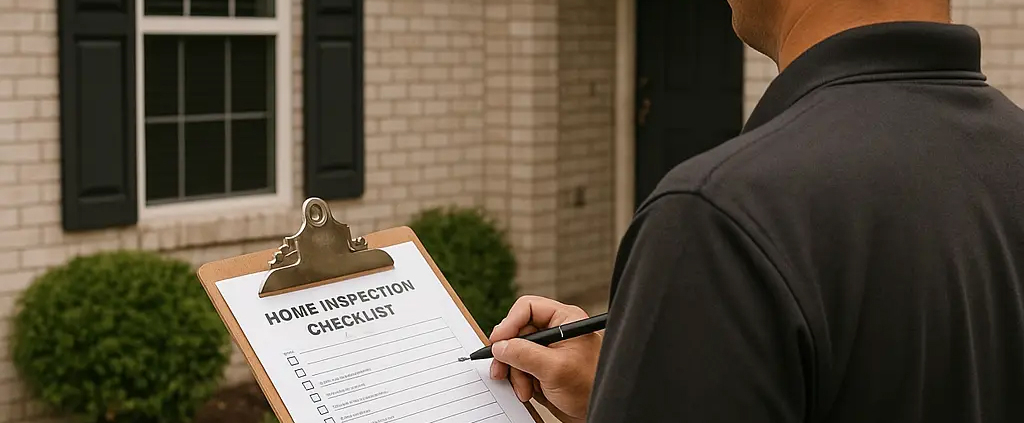
Home inspector inspecting a home in pittsburgh pa

When you’re buying a home, one of the most important steps in the process is the home inspection. Think of it as a comprehensive health checkup for the property—except instead of checking blood pressure and cholesterol, it’s checking for roof leaks, plumbing issues, and structural concerns.

At Clarity Home Inspections, your trusted Pittsburgh area home inspector, we know how crucial it is for you to understand exactly what you’re getting into before signing on the dotted line. So, what is included in a home inspection? Let’s break it down, top to bottom.


1. Roof

Your home’s roof is its first line of defense against the elements. During an inspection, we examine:

  • Roof coverings (shingles, tiles, etc.)

  • Gutters and downspouts

  • Flashing, vents, skylights, and chimneys

  • Roof penetrations and overall structure

A damaged or aging roof can lead to costly repairs, so this is one area you definitely want thoroughly assessed.


2. Attic, Insulation, and Ventilation

An often-overlooked space, the attic plays a major role in energy efficiency and home comfort. We look for:

  • Proper insulation coverage

  • Adequate ventilation to prevent moisture buildup

  • Crawl spaces and exhaust systems

Good insulation and ventilation are key for reducing energy bills and avoiding mold growth.


3. Exterior

From the curb to the back deck, we evaluate:

  • Siding and trim

  • Windows and exterior doors

  • Walkways, stairs, patios, decks, and driveways

  • Drainage and water management

The goal here is to spot any wear, damage, or water intrusion issues that could escalate over time.


4. Basement, Foundation, Crawlspace, and Structure

A strong foundation supports a safe home. We check for:

  • Cracks or structural movement

  • Signs of water penetration

  • Crawlspace conditions

In Pittsburgh, with our varied soil types and older homes, this part of the inspection is absolutely essential.


5. Cooling System

Summers in the Pittsburgh area can be muggy. That’s why our inspection covers:

  • The central cooling unit

  • Thermostat placement and operation

  • Energy source and overall condition

We ensure your A/C system is ready to handle the heat.


6. Heating System

Equally important for our chilly winters, the heating system inspection includes:

  • Furnace or boiler health

  • Thermostat operation

  • Energy source and method of heat delivery

We help ensure you stay warm and safe when temperatures drop.


7. Fireplace

Who doesn’t love a cozy fire in winter? But a fireplace can also be a safety hazard. We assess:

  • Fireplace structure and chimneys

  • Damper doors and lintels

  • Cleanout doors and frames

Our job is to make sure that beautiful hearth is also safe and functional.


8. Plumbing

From water pressure to leaks, our plumbing inspection is hands-on and thorough. We look at:

  • Main water shut-off valves

  • Water heater and supply lines

  • Sinks, tubs, showers, drains, and vents

We’re on the lookout for corrosion, leaks, and proper installation—things you don’t want to discover the hard way.


9. Electrical System

Electrical issues can be dangerous if not caught early. We check:

  • Service panels, grounding, and conductors

  • Switches, outlets, AFCI/GFCI protection

  • Smoke and carbon monoxide detectors

Safety is our top priority in this area, especially in older Pittsburgh homes where wiring may be outdated.


10. Doors, Windows, and Interior

Lastly, we inspect the interior’s overall condition, including:

  • Windows and doors

  • Floors, ceilings, and walls

  • Stairs, railings, and garage doors

This part ties the whole inspection together and gives you a full-picture view of the home’s livability and safety.


Why Hire a Pittsburgh Area Home Inspector?

Scheduling with a Pittsburgh area home inspector like Clarity Home Inspections means getting peace of mind from a local expert who understands the unique challenges of homes in this region—from foundation issues due to freeze-thaw cycles to century-old plumbing systems.

We go beyond the checklist to offer honest insights, clear communication, and comprehensive reports—so you can move forward with confidence.

Always feel free to reach out if you have any questions regarding what exactly is included in your next home inspection.

Pittsburgh area home

Selling a home in Pittsburgh’s vibrant and competitive real estate market can feel like navigating the winding streets of Mount Washington—full of twists, turns, and breathtaking moments. Whether your property is a historic brick row house in Lawrenceville or a modern gem in Moon Township, ensuring your home is in top shape is key to maximizing its value and appeal. One of the smartest moves you can make as a home seller? Investing in a pre-listing home inspection.

In this article, we’ll explore how a pre-listing inspection can save you time, stress, and money, while giving you a competitive edge in the Pittsburgh area housing market.

What Is a Pre-Listing Home Inspection?

A pre-listing home inspection is exactly what it sounds like: a professional examination of your home’s condition conducted before you put it on the market. Unlike a buyer’s inspection, which occurs after an offer is made, a pre-listing inspection gives you a chance to identify and address potential issues upfront.

A licensed home inspector will evaluate everything from the roof to the foundation, checking major systems like electrical, plumbing, HVAC, and more. You’ll receive a detailed report highlighting areas that may need repair or maintenance.

Why It Matters in Pittsburgh’s Real Estate Market

The Pittsburgh Area’s real estate market is diverse, and homes here can come with unique quirks, especially if they’re older properties in neighborhoods like Squirrel Hill or Coraopolis. Buyers in this market are savvy, and many will request their own inspections. By getting ahead of the game, you can sidestep potential deal-breakers and make your home more attractive to buyers.

Let’s dive into the specific benefits of a pre-listing home inspection.


1. Enhance Buyer Confidence

Trust is everything in real estate. Buyers are more likely to make strong offers when they feel confident about a property’s condition. By sharing a pre-listing inspection report, you demonstrate transparency and a commitment to full disclosure. This can make buyers feel at ease, knowing there won’t be any unpleasant surprises after they sign on the dotted line.

Moreover, this proactive step can set your home apart in a crowded market, giving buyers fewer reasons to hesitate or negotiate aggressively.


2. Identify and Address Issues Early

Imagine you’ve found a motivated buyer, but their inspection uncovers a costly issue—like a leaky roof or outdated wiring. Now, you’re facing either expensive last-minute repairs or a potential deal falling through.

A pre-listing inspection allows you to identify these issues early and fix them on your terms. Whether it’s hiring a contractor for repairs or simply adjusting your asking price, you maintain control over the situation.

For Pittsburgh area homes, where older properties may have hidden problems (like aging sewer lines or foundation cracks), this proactive approach is invaluable.


3. Streamline the Selling Process

Time is of the essence when selling a home. Scheduling a pre-listing home inspection can help you avoid delays caused by post-offer negotiations or buyer-requested repairs. By addressing issues upfront, you can keep the sales process moving smoothly.

Additionally, providing a clean inspection report can help prevent buyers from using minor issues as leverage to lower their offer. This is particularly useful in Pittsburgh’s fast-paced neighborhoods, where buyers often compete for homes.


4. Boost Your Home’s Market Value

A well-maintained, move-in-ready home commands higher offers. When you’ve already tackled repairs and maintenance, your property stands out as a low-risk, high-reward option for buyers.

Consider this: If your home’s inspection reveals no major issues, buyers may be willing to pay closer to your asking price—or even above it in competitive situations. In hot Pittsburgh markets like Robinson Township, PA or the South Side, this could mean the difference between a quick sale and a prolonged negotiation.


5. Leverage Inspection Findings as a Selling Point

Not all inspection results are bad news. Sometimes, they highlight your home’s strengths—like a new roof, updated plumbing, or energy-efficient windows. You can use these findings as selling points in your listing and during showings.

For example:
“Recent pre-listing inspection available! This home features a brand-new HVAC system and a recently replaced roof, ensuring years of worry-free living.”

In a competitive market, these details can make your home stand out and attract serious buyers.


6. Reduce Stress and Surprises

Selling a home is stressful enough without the added anxiety of unexpected inspection results. A pre-listing inspection provides peace of mind, allowing you to address issues calmly and thoughtfully before buyers enter the picture.

Knowing exactly what to expect means fewer surprises and smoother negotiations. For Pittsburgh sellers, this can be especially comforting given the city’s mix of older and newer homes.

© Copyright Clarity Home Inspection | Website by Spectora | Privacy Policy